Bangladesh’s Potato Problem Is About Policy, Not Farming
Key Highlights
- Bangladesh processes only a small share of its potato crop
- Most potatoes grown are not fit for factory use
- Weak planning leads to oversupply and price falls
- Farmers bear losses while surplus goes to waste
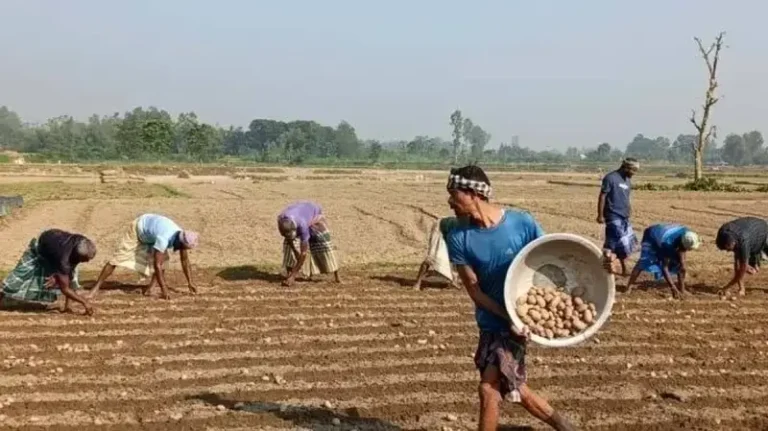
Bangladesh produces a huge amount of potatoes each year, ranking among the top producers in the world. Yet farmers often suffer when prices drop sharply. Experts say this is not a farming failure. It is a planning and policy issue that keeps potatoes stuck as a side dish instead of a factory input.
Potatoes Seen Only as Food
In Bangladesh, potatoes are mostly treated as a vegetable eaten with rice. This limits how the crop is used. When harvests exceed local demand, prices fall fast. Farmers lose money and surplus crops go unused.
Other countries take a different path. A large share of their potatoes goes into factories making fries, chips, flakes and starch. This helps manage surplus and keeps prices more stable. Bangladesh processes only about 3 to 4 percent of its output, far below global levels.
Potatoes are the second most produced crop in the country after rice. Still, more than one-fourth of the harvest is lost after picking due to weak storage and handling systems.
Wrong Crops and Weak Planning
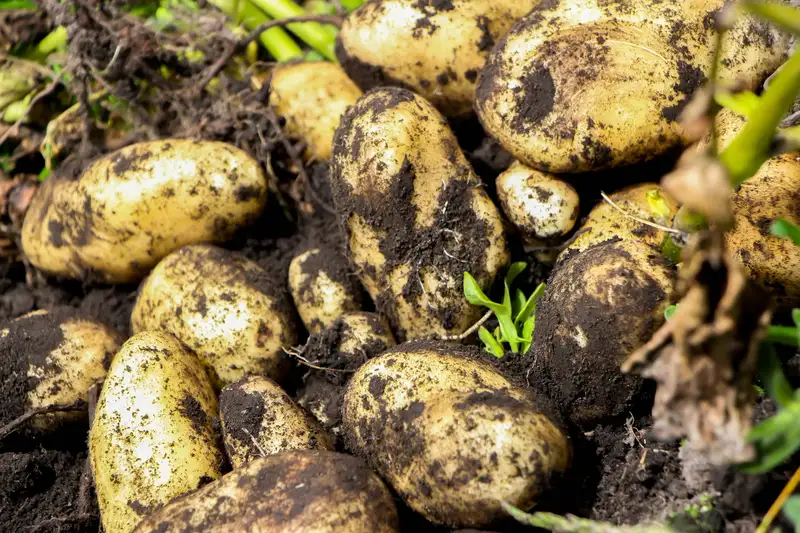
Industry leaders say most potatoes grown locally are table types, not suitable for factory use. These varieties contain too much moisture and sugar. As a result, they do not perform well when fried or processed.
Factories need potatoes of a certain size and quality, grown in planned volumes. That does not happen often in Bangladesh. Farmers choose crops on their own, without guidance or long-term demand signals.
Storage problems add to the trouble. There is little grading at farm level, limited cold-chain support for factory-grade crops and not enough modern warehouses. All this blocks both processing and exports.
Also read: Top 10 Potato Producing Countries in the World
Too Much Supply, Too Little Use
High prices in the previous season pushed farmers to plant more potatoes. Output then rose well beyond demand. Field prices dropped to Tk 9–11 per kg, while costs stayed much higher. Many farmers ended up in debt.
Cold storage space has grown, but factory capacity remains tiny. Experts say storage alone only delays losses. Without factories to absorb extra supply, prices will keep falling during big harvests.
What Needs to Change
Economists and scientists agree that potatoes must be viewed beyond the kitchen. Better crop planning, contract farming and region-based production can help. New high dry-matter varieties are also needed, along with stronger links between farmers and processors.
Until these gaps are fixed, Bangladesh’s potato surplus will continue to hurt farmers instead of helping the economy.
Bangladesh does not lack potatoes. It lacks planning, processing and clear direction. Without change, farmers will keep paying the price for surplus crops.
Image credit: javier albuja on Unsplash
News source: Kathmandu Post
Recent Articles

"Get the latest potato industry updates in Google Search. Add Potato Insights as a preferred source for potato markets, processing, trade and industry news."