How Better Packaging Extends Shelf Life for Potato Products
Potato items move through many hands before they reach a home kitchen. Farmers sort them, plants clean and cut them and retailers store them in racks or cold rooms. At each point, the product can lose freshness if it is not packed well.
This is why better packaging has turned into one of the strongest tools for anyone working with fresh, frozen or ready-to-cook potato items.
Many food brands want longer shelf life without changing the taste or feel of the food. They also want fewer returns from stores and fewer losses during travel. Good packaging helps with all of these. In this post, we look at how simple but smart steps in packaging can keep potato items safe for longer. The focus is on clear, real-world points that any food plant, trader or retailer can understand and apply.
Why Shelf Life Drops in Potato Products
Potatoes may look strong, but they react fast to air, heat, moisture and microbes. When sliced or peeled, the speed of change becomes even faster.
Here are the most common reasons why shelf life drops:
1. Air contact
When sliced potatoes touch air, the surface starts to turn brown. Oxygen feeds microbes and speeds up spoilage. Even whole potatoes soften sooner if the skin stays open to air for long.
2. Moisture loss or moisture gain
Too little moisture makes potatoes dry. Too much moisture allows microbes to grow. Both conditions change the look and taste of the final product.
3. Heat during storage or travel
Higher temperature pushes starch activity inside the potato. This changes the color during frying and may lead to waste for snack plants.
4. Microbial activity
Bacteria, yeast and molds grow fast when the product is not packed well. This is one of the main reasons fresh-cut potato items fail before the printed date.
5. Physical damage
During travel, open or thin packaging cannot protect potatoes from pressure. Cracks and bruises make decay faster.
Good packaging handles all five points at the same time. It keeps out air, keeps moisture at the right level, adds a small physical shield and slows microbial action.
RELATED: The Truth About Potato Peel Waste Around the World
How Better Packaging Helps
1. Slows Air Contact With Tight Seals
Vacuum packs and packs with low oxygen levels work well for cut potatoes. By pulling out air before sealing, the pack slows color change and lowers microbial growth.
A study from a food lab in Gujarat showed that fresh-cut potatoes lasted 6–8 days longer in low-oxygen packs compared to regular cling wrap packs. This difference alone reduced waste by 22% for that plant.
2. Controls Moisture With the Right Film
Films used for potato items need the right breathability. Too tight and moisture stays inside. Too loose and moisture escapes.
Common films used today include:
- LDPE film for frozen fries
- PP film for chips
- Multi-layer film for fresh-cut items
A snack plant in Maharashtra shifted from single-layer PP to a three-layer film. Their chips absorbed less moisture from humid air. The shelf life increased by 20–25 days and returns from shops dropped by 18%.
3. Adds Light Protection
Light affects the natural sugar levels in potatoes. When sugar rises, chips turn darker during frying. A matte or tinted outer layer blocks light and slows this shift.
One fryer line in Punjab reduced dark-spot batches by 30% after using tinted outer pouches for raw peeled potatoes delivered to the frying room.
4. Supports Temperature Control
Packaging cannot replace cold rooms, but it helps maintain the right temperature longer. Insulated pouches or box liners allow the product to stay within a safer range during travel.
Cold chain reports from South India show that insulated liners kept potato wedges within 1–4°C for almost 6 hours even when the outside temperature touched 32°C.
5. Protects Against Pressure and Handling Damage
Thick film with a strong seal reduces cracking and bruising. For chips, even small cracks in the raw slices cause broken finished pieces.
Switching to stronger side-seals helped one chips maker cut breakage during loading by almost 40%.
Packaging Formats That Work Well for Potato Products
Different potato products need different types of packs. Here are the most used formats and how they help.
1. Modified Atmosphere Packaging (MAP)
Used for: Fresh-cut potatoes, peeled potatoes, wedges
This pack replaces normal air with a mix of gases like nitrogen and carbon dioxide. It slows microbial action and surface browning. Many retail brands use MAP to get 6–10 extra days of shelf life for fresh-cut potato packs.
2. Vacuum Bags
Used for: Peeled potatoes for bulk supply
Removing air keeps microbes low and slows color change. Vacuum packs often keep peeled potatoes stable for 8–14 days when stored cold.
3. Multi-Layer Pouches
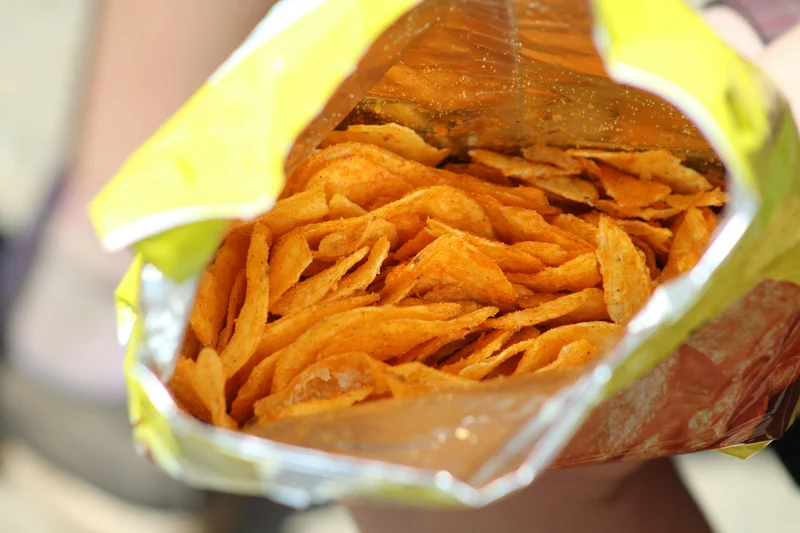
Used for: Chips, namkeen, flavored snacks
Layers keep out air and moisture while holding the aroma inside. This is why most snack brands use 3- or 4-layer pouches. Tests from packaging suppliers show that moisture rise stays below 1–1.5% inside these packs during 60 days of storage.
4. Frozen-Grade Bags
Used for: Fries, hash browns, frozen wedges
These packs stay strong at low temperatures and stop freezer burn. If the seal is weak, ice forms inside the pouch and damages the texture. Good frozen bags maintain the product quality for up to 12 months when stored right.
5. Rigid Trays With Film Lids
Used for: Retail wedges, ready-to-cook potato dishes
Trays protect the shape of the product. A film lid keeps out air while still allowing the customer to see the food. Retail sales reports show that trays reduce physical damage by over 50% during store handling.
RELATED: Smart Packaging Trends Changing the Potato Chips and Snacks Marke
Simple Packaging Steps That Make a Big Difference
Below is a short table with steps used in many potato plants today:
| Step | What It Helps With |
| Use low-oxygen sealing | Slows browning and spoilage |
| Pick the right film thickness | Reduces damage and moisture change |
| Add light-blocking layer | Stops sugar shifts and dark frying |
| Keep seal bars clean | Prevents leaks in packs |
| Rotate stock by date | Reduces warehouse waste |
Why Packaging Matters for Both Small and Large Plants
Potato plants come in all sizes. A small cutting unit may pack 200 kg a day, while a large snack brand may pack 20 tons. But both struggle with the same basic shelf-life problems.
Small Plants
- Often lose money due to early spoilage
- Face complaints when fresh-cut items turn dark
- Can improve results fast with simple MAP or stronger films
Large Plants
- Lose large amounts if one batch spoils
- Risk losing space on retail shelves if quality drops
- Use multi-layer films and strong QC checks to keep packs safe
Across both groups, better packaging removes a big part of daily stress. When packs stay strong and fresh, staff spend less time replacing loose seals, leaking pouches or discolored potatoes.
Case Study: Frozen Fries Maker in West India
A plant making frozen fries struggled with ice build-up inside pouches. This caused soft fries after frying. Their old film had low strength at cold temperatures.
They moved to a frozen-grade film with a better seal layer. They also changed the seal bar temperature and added a quick wipe step to remove moisture droplets before sealing.
Results in 3 months:
- Complaints from hotels dropped by 60%
- Ice inside pouches dropped by 70%
- Shelf life improved from 9 months to nearly 12 months
- Packing line stoppage reduced by 15%
The change was small but had a clear effect on both sales and waste.
Case Study: Fresh-Cut Potato Supplier in Delhi NCR
This unit supplies peeled and cut potatoes to cloud kitchens. Their biggest issue was browning within 48 hours. Restaurants complained often.
They tested a low-oxygen MAP setup. They also shifted to a two-layer breathable film. The result:
- Shelf life increased from 2 days to 5–6 days
- Rejections dropped from 30% to under 10%
- Daily output went up because fewer batches were thrown out
- Staff spent less time sorting spoiled items
This shows how better packaging helps the entire chain, from supplier to kitchen.
Conclusion
Good packaging does not fix every problem in potato handling, but it gives the product a strong shield from air, moisture, heat and microbes. Even small changes in film type, seal strength or pack design can add days or months to the shelf life. This leads to fewer returns, less waste and better trust from buyers.
As food plants grow and supply wider areas, shelf life will play a bigger part in their success. Better packaging is one of the simplest ways to move in that direction.
Frequently Asked Questions (FAQs):
-
Why do potato items spoil fast?
They react quickly to air, moisture, heat and microbes. Cut potatoes spoil even faster because the surface stays open.
-
Does MAP packaging work for potatoes?
Yes. MAP slows browning and microbial growth. Many suppliers use it to add 6–10 days of life to fresh-cut items.
-
What type of film is best for chips?
Multi-layer film works well because it blocks air and moisture and keeps flavor inside.
-
How do I stop browning in fresh-cut potatoes?
Use low-oxygen sealing and keep the product cold. Pick a film that balances air and moisture control.
Image credit: Gabriel Dalton on Unsplash
Research Sources:
“Effect of Different Packaging Methods on Shelf Life of Potato Tuber” — a study comparing vacuum vs modified-atmosphere storage for potatoes.
“Post-harvest Operations for Potato” — a report from Food and Agriculture Organization (FAO) covering how post-harvest handling and storage (including packaging) can extend shelf life of potatoes.
“Towards Impact of Modified Atmosphere Packaging (MAP) on Shelf-Life of Polymer-Film-Packed Food Products” — a recent review article describing how MAP and polymer-film packaging extend shelf life for many packed foods including tubers/vegetables.
“Modified atmosphere packaging (MAP) of fresh produce: review on its effect in extending shelf life” — broader review with principles and findings applicable to potatoes, cut produce, and packaging choices.
“Post-harvest management of potatoes” — article (2024) in an Indian farming journal covering storage, handling, and factors that influence potato shelf life for ware and processing potatoes.
Recent Articles

Follow us to receive updates🔔