The Truth About Potato Peel Waste Around the World
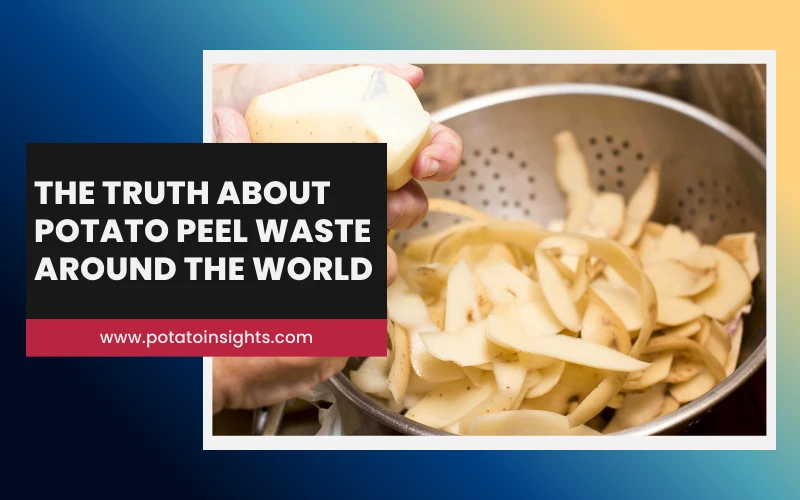
Potatoes are one of the most common foods in the world. From home kitchens to big food plants, we peel potatoes all the time. While this feels normal, the waste from these peels is far larger than people think. Many homes throw them away. Big food units peel potatoes in large groups, creating huge piles of waste every single day.
The main purpose of this article is to give clear information about how much peel waste we create worldwide, why it matters and what some groups are doing with these peels. This topic sits across farms, food plants, supply chains and even climate discussions.
The focus here is simple, how much potato peel waste do we create each year, why it happens and what the world can do with this leftover material.
Why Potato Peel Waste Matters
Potato peel waste is not only a kitchen issue. It connects to bigger points. When peels go into landfills, they break down and release gas that adds to air problems. When factories throw out truckloads of peels, they use extra transport, fuel and storage space. Farmers also lose a part of the crop that could support other uses if handled right.
In many countries, food waste numbers keep rising while the food industry tries to cut waste at each stage. Potato peel waste fits into this larger effort because it is a large and constant part of the waste stream.
RELATED: The Journey of McDonald’s French Fries From Farm to Fryer
Global Potato Production and Peel Waste Numbers
To understand how much peel waste we create, we first need to look at how many potatoes the world produces each year.
According to the UN Food and Agriculture Organization (FAO), the world produces around 376 million tonnes of potatoes each year.
Global Potato Waste
Data shows:
- The world creates around 12 million tonnes of total potato waste each year (including peels and other parts).
- Potato peel waste alone may reach 8000 kilotons (8 million tonnes) every year by 2030.
- Peels can make up 15% to 40% of a potato’s weight depending on peeling tools and product needs.
- Peel waste may create 5 million tonnes of CO₂-equivalent emissions by 2030 if it goes to landfill.
Peeling Loss Breakdown
- Home peeling: 12–18%
- Industrial steam peeling: 18–22%
- Abrasive peeling: 20–40%
These percentages explain why peel waste is so large worldwide.
Estimated Global Peel Waste Each Year
Using the peeling share:
| Item | Value |
| Global potato output | ~376 million tonnes/year |
| Peel share (range) | 15–40% |
| Global peel waste (broad industrial estimate) | 55–74 million tonnes/year |
| Scientific peel-only projection | 8 million tonnes/year (2030) |
The broad estimate includes peel + attached potato flesh removed during peeling.
The scientific estimate counts skin only.
Even the smallest number shows that potato peel waste is one of the biggest side streams in the food world.
Case Study: India
India is among the top potato-producing nations. The country grows more than 56 million tonnes each year. A large part of this supply goes to fries, chips, snacks and home use.
In India, peeling loss is higher in small units because most peeling is done by hand or through basic abrasive machines. This pushes waste levels to the upper range.
Estimated peel waste in India: 8–12 million tonnes per year
This number rises during peak snack production months when large plants run longer hours.
Case Study: The European Union
The EU has strong reporting rules, so their waste levels are well tracked. A study by Wageningen University and WRAP found:
- Industrial potato processing in the EU creates more than 5 million tonnes of peel and side waste each year.
- 35–40% of this is from frozen fries.
- 25–30% is from chips and snacks.
Many plants use steam peelers, which save some material, but the large scale still creates heavy daily waste.
RELATED: Smart Packaging Trends Changing the Potato Chips and Snacks Market
Case Study: United States
The US grows 18–20 million tonnes of potatoes per year. The fries industry uses the largest share.
A study from Idaho (a key potato region) found:
- A mid-size fries plant creates 40–45 tonnes of peel waste per day.
- Large plants can cross 100 tonnes per day.
Across the country, peel waste reaches 3–4 million tonnes per year.
How Factories Peel Potatoes and Why Waste Grows
1. Steam Peeling
Steam softens the outer skin. A quick blast removes it.
Waste: 18–22%
Used in fries plants.
2. Abrasive Peeling
Potatoes rub against rough belts or plates.
Waste: 20–40%
Common in Asia and small factories.
3. Hand Peeling
Used in homes and small vendors.
Waste: 12–18%
Why Waste Grows in Big Plants
- Factories peel fast to avoid dark spots.
- Buyers want smooth potatoes, so plants peel deeper.
- Strict quality checks add to waste.
What Happens to All This Potato Peel Waste
1. Animal Feed
Fresh peels are used for cattle, pigs and goats. But they are heavy and spoil fast.
2. Compost and Soil Mix
Peels have fiber, starch and minerals. Farmers mix them with plant waste for compost.
3. Biofuel and Biogas
Peels break down quickly. Some plants create biogas and use it for heat.
4. Food Ingredients
Some start-ups make peel flour or fiber powder.
This use is growing but still small.
5. Landfills
A large share still goes to landfills where it releases gas.
Why Reducing Potato Peel Waste Is Hard
- Many products need spotless potatoes.
- Machines peel deeper to avoid defects.
- Plants peel fast, so more flesh comes off.
- No collection systems in many regions.
- Peel waste is heavy and costly to transport.
Ways the World Can Cut Down Peel Waste
1. Better Peeling Tools
Improved steam systems remove less flesh, cutting waste by 2–4%.
2. Peel Sorting
Optical sorting can remove only damaged potatoes.
3. Use Peels for Food
Peel flour can go into bread, snacks or bakery mixes.
4. Turn Waste Into Energy
Biogas systems can use peel waste for fuel.
5. Raise Awareness in Homes
Peels can be used in soups, crisps or broths.
Future Outlook for Peel Waste Use
More companies now see potato peel as a useful by-product. Food rules, climate pressure and rising costs are pushing factories to reuse more peel waste. New studies show that potato peels contain fiber and minerals that can support new products.
If these ideas grow, global peel waste may drop in the future. But right now, the world still creates millions of tonnes of peel waste each year.
RELATED: Top 10 Potato Producing Countries in the World
Conclusion
Potato peel waste may look small in a kitchen, but at the world level it is huge.
Updated data shows:
- 12 million tonnes of total potato waste each year
- 8 million tonnes of yearly peel waste projected by 2030
- Peels make up 15–40% of a potato
- Peel waste may cause 5 million tonnes CO₂-equivalent emissions by 2030
Some countries already reuse peels for feed, compost or energy, but many still send most of it to landfill. With better tools and more awareness, peel waste can be reduced over time.
Frequently Asked Questions (FAQs):
-
Why do factories remove so much peel?
To avoid dark spots and keep every batch clean.
-
Is potato peel safe to eat?
Yes, if washed well.
-
Do all countries waste the same amount of peels?
No, it varies by tools, rules and habits.
-
Can potato peel waste make energy?
Yes. It can be used for biogas.
-
How much peel waste comes from homes?
Homes create less than factories but still produce a large total because so many homes peel potatoes daily.
Image credit: Potato Insights
Research Sources:
FAO — Potato crop info (FAO land & water page)
FAOSTAT (agricultural production data highlights) — overview of FAO/FAOSTAT production updates (useful for raw numbers).
Springer – Scientific Review: Sustainable Utilization and Valorization of Potato Waste (8 million tonnes projection)
WRAP — Food waste (main action & reports page)
WRAP — Potato waste case study (supply chain & household potato waste)
Wageningen University & Research — Circular agriculture / food systems
USDA NASS — Potatoes (stats, charts and reports)
Idaho Potato Commission — Industry & grower resources
Disclaimer
The numbers/stats in this article come from public reports and third-party research sites. Actual waste levels can change based on region, peeling tools and reporting style. Use these figures as general estimates, not exact values. Source pages may update over time.
Recent Articles


Follow us to receive updates🔔