Potato Consumption Per Capita by Country 2026
Belarus leads global potato consumption at 170 kg per capita. See 2026 data by country, regional trends and which markets are growing fastest.

Belarus tops the global ranking at around 170 kg of potatoes per person per year. Ukraine follows at 130 kg and Kazakhstan at 110 kg. The world average sits at roughly 33 kg per capita annually, according to FAOSTAT food balance sheets and global market data through 2024. That gap between the top and the average tells you everything about how unevenly this staple is spread across the world.
Potatoes are the fourth most consumed crop on the planet, after wheat, rice and maize. But in 2026, the story isn’t just about who eats the most. It’s about which countries are eating more, which are eating less and why that shift matters for the global food system. Total world potato consumption reached around 380 million tonnes in 2024, with Asia-Pacific alone accounting for more than 50% of that volume.
This article covers per capita potato consumption by country, the regions driving growth, the factors that shape how much a country eats and what the data tells us heading into 2026.
Countries with the Highest Potato Consumption Per Capita
Eastern Europe dominates the top of this list. And it’s not close. Belarus, Ukraine, Kazakhstan, Russia and Poland all clear 99 kg per person per year. That’s a level most countries outside the region never come near.
Why does Eastern Europe eat so many potatoes? The answer goes back centuries. When potatoes arrived in the region, they thrived in cold climates and poor soils that other crops couldn’t handle. They became the most dependable calorie source across long winters.
That agricultural logic got baked into culture and culture kept the habit alive long after incomes rose and food options widened.
Belarus stands alone at the very top. Each citizen consumes roughly 170 kg per year, more than anyone else on Earth. Ukraine comes in at around 130 kg and Kazakhstan at 110 kg. Russia sits at about 105 kg and Poland is close to 99 kg. These aren’t just numbers. For most households in these countries, potatoes are at almost every meal.
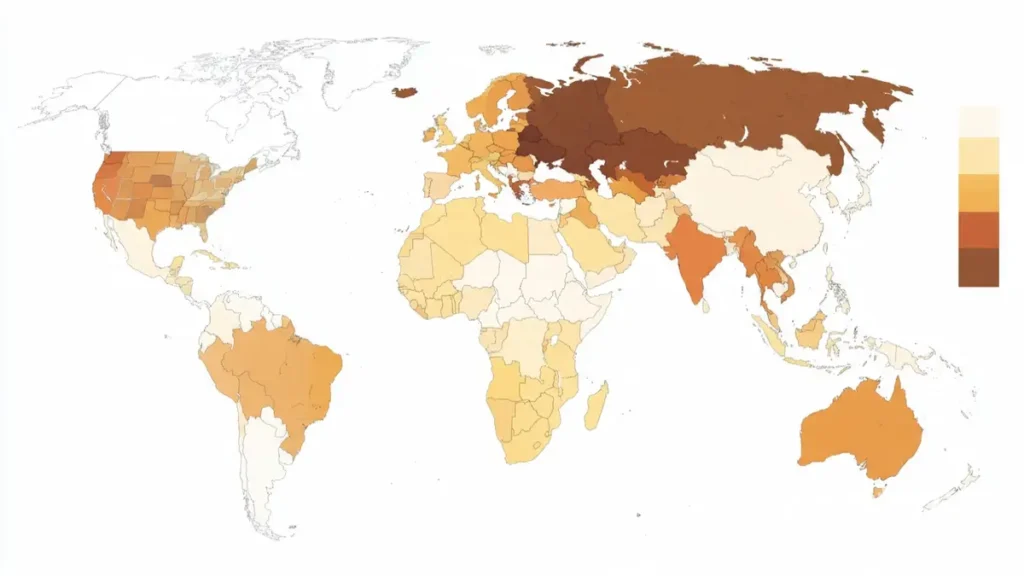
| Country | Kg Per Capita/Year | Region | Key Factor |
| Belarus | ~170 kg | Eastern Europe | Highest in the world |
| Ukraine | ~130 kg | Eastern Europe | Long-standing potato culture |
| Kazakhstan | ~110 kg | Central Asia | Soviet-era dietary legacy |
| Russia | ~105 kg | Eastern Europe/Asia | Major producer and consumer |
| Poland | ~99 kg | Eastern Europe | Declining but still very high |
| Germany | ~62 kg | Western Europe | Strong processing industry |
| France | ~58 kg | Western Europe | Large exporter, moderate intake |
| United States | ~52 kg | North America | Half consumed as frozen fries |
| China | ~46 kg | Asia | Largest total volume globally |
| India | ~29 kg | South Asia | Fast-growing market (+2.5%/yr) |
| Pakistan | ~20 kg | South Asia | Fastest growth (CAGR +5.4%) |
| Sub-Saharan Africa | <15 kg | Africa | Lowest per capita, fast rising |
Sources: FAOSTAT food balance sheets (2024), IndexBox Global Potato Market Report 2024, Mordor Intelligence Potato Market Report 2025-2026, World Population Review (2026).
Also read: Top Potato Exporting Countries Ranked by Value
Western Europe and North America: Moderate but Processed
Germany sits at around 62 kg per person per year. France comes in at roughly 58 kg. The United States averages about 52 kg. These are solid numbers, but what makes them interesting is how the potato is eaten. In Western Europe and North America, fresh potato consumption has been falling steadily for decades. Processed forms have taken over.
You might also like

In the US, roughly half of all potato availability now comes in frozen form, mostly french fries. According to USDA Economic Research Service data, fresh potato availability fell from around 46 pounds per person in the early 2000s to about 28 pounds by 2022 to 2024.
Total availability across all forms averaged 115 pounds per year across that same period.
That shift toward processed potatoes isn’t unique to the US. Belgium and the Netherlands have built massive frozen fry industries that supply markets across the globe. Their own per capita numbers look unusual in some datasets because processing volume gets counted differently. But for consumers in most Western markets, the trend is clear. Fewer whole potatoes in the kitchen, more fries and chips on the table.
Asia: Big Volumes, Moderate Per Capita
China produces roughly 93 million tonnes of potatoes per year, making it the world’s largest producer by a wide margin. Yet its per capita consumption is only around 46 kg annually. So what’s going on?
Rice and noodles dominate Chinese diets. Potatoes have traditionally been a side dish or a snack rather than a staple. But that’s changing. China’s government formally identified potatoes as the country’s fourth staple crop in 2015, a policy move designed to boost consumption, diversify diets and improve food security in drier inland regions.
Since then, processed potato products like potato flour, noodles and steamed bread have been growing fast.
India tells a different story. At around 29 kg per capita per year, consumption is below the world average. But India is one of the fastest-growing markets, with per capita consumption rising about 2.5% per year according to IndexBox data. India is also the second-largest potato producer in the world, at roughly 58 million tonnes annually.
Pakistan is the most striking case. Starting from a lower base, its consumption has grown at a compound annual rate of over 5% from 2013 to 2024. That’s the fastest growth rate of any major market in the world. Total production in 2025 reached an estimated 9 to 9.5 million tonnes, a 20% jump over the previous year, driven by certified seed programs and improved growing conditions.
In Southeast Asia, demand is also rising, especially for processed products. Indonesia, the Philippines and Thailand are all importing more frozen fries to meet growing demand from quick-service restaurants and urban consumers.
Also read: Potato Export from India: A Complete Guide (2026)
Africa: The Lowest Per Capita, the Fastest Regional Growth
Most countries in sub-Saharan Africa consume fewer than 15 kg of potatoes per person per year. In some parts of the continent, the figure is under 5 kg. That makes Africa the lowest-consuming region in the world by a significant margin.
But Africa is also the fastest-growing region. Mordor Intelligence projects African potato market growth at a CAGR of over 5% through 2031. Government-backed irrigation programs, improved seed distribution and expanding cold storage are all contributing.
Kenya, for example, saw certified seed use among smallholder farmers jump from 5% to 18% in 2024 alone, resulting in a 22% yield increase according to the country’s Ministry of Agriculture.
Egypt is an interesting outlier. With over 7 million tonnes of production per year, it has built itself into a meaningful exporter, shipping to the EU, Gulf and sub-Saharan African markets. Egypt’s domestic consumption is growing alongside its production base.
The potential in Africa is real. A young, growing population, increasing urbanization and expanding fast-food sectors are all pointing toward higher potato demand across the continent over the next decade.
What Actually Drives Per Capita Consumption Differences
Four factors do most of the work here.
- Climate and agriculture. Countries where potatoes grow easily and reliably tend to eat more of them. Eastern Europe’s climate is almost ideal for the crop, which explains a big part of its dominance.
- Cultural habit. Food culture is sticky. Countries with centuries of potato cooking traditions, like Poland, Ireland, or Peru, maintain high consumption even as incomes rise and diets diversify.
- Income level. Wealthier countries tend to eat at least 70 kg per capita annually, partly because they have well-developed supply chains, processing industries and cold storage. Lower-income regions eat less because infrastructure is weaker, not always because people prefer other foods.
- Food processing. The rise of frozen fries, chips and dehydrated products has changed consumption patterns dramatically. Countries near large processing hubs, like Belgium and the Netherlands, end up eating more processed potato products than their fresh consumption figures would suggest.
Religion and dietary restrictions also play a role in specific markets. India’s Jain community, for example, avoids root vegetables entirely, which can affect national averages in a country of 1.4 billion people.
The 2026 Picture: Oversupply, Shifting Demand and New Markets
2025 was a turbulent year for the global potato market. Europe had a record harvest, with planted area expanding 5.5% to 1.47 million hectares. That surplus pushed prices to historic lows. In some markets, open-market potatoes sold for as little as EUR 15 per tonne, far below production cost.
That oversupply is now reshaping trade flows. European exporters are redirecting more volume toward Asia, Africa and Latin America.
The US imposed a 15% tariff on imported EU frozen fries in 2025, up from 8%, which forced European processors to find new buyers elsewhere. So far, demand in Asia has held constant and emerging markets are absorbing more volume.
The global potato market was valued at roughly USD 120 billion in 2025, according to Mordor Intelligence. It’s forecast to reach USD 149 billion by 2031, at a CAGR of about 3.7%. Most of that growth will come from processing and from markets in Asia and Africa.
World potato production reached 390.4 million tonnes in 2024, up about 1% from 2023, according to the latest FAOSTAT data. Asia accounted for 52.6% of that output. The long-term direction is clear. More potatoes are being grown and the markets eating more of them are increasingly in Asia and Africa, not in Europe.
Also read: Top 10 Potato Producing Countries in the World (2026)
Conclusion
Per capita potato consumption varies widely across the world, from 170 kg in Belarus to under 5 kg in parts of sub-Saharan Africa.
Eastern Europe leads because of history, climate and culture. Western markets are holding stable but shifting toward processed forms. Asia and Africa are where the growth story is playing out.
For anyone tracking the global potato industry, the numbers to watch in 2026 aren’t at the top of the ranking. They’re in India, Pakistan, Southeast Asia and Africa, where consumption is rising fast from a low base. Those markets will shape where the next billion kilograms of potato demand comes from.
Frequently Asked Questions (FAQs)
-
Which country has the highest potato consumption per capita?
Belarus leads globally at around 170 kg per person per year. Ukraine and Kazakhstan follow at 130 kg and 110 kg respectively, both well above the world average of 33 kg.
-
What is the global average potato consumption per capita?
The global average is roughly 33 kg per person per year, based on FAOSTAT food balance data through 2024. That figure masks wide regional differences, from over 100 kg in Eastern Europe to under 15 kg across much of Africa.
-
Why do Eastern European countries eat so many potatoes?
Potatoes thrive in the cold climates and poor soils of Eastern Europe. They became the most reliable calorie source for the region over centuries and that habit became deeply embedded in local food culture.
-
Is potato consumption growing in Asia?
Yes. India is growing at about 2.5% per year and Pakistan at over 5% annually, both among the fastest rates globally. China is also expanding potato consumption as the government promotes it as the country’s fourth staple crop.
-
How does the US rank in potato consumption per capita?
The US averages around 52 kg per person annually, which is above the global average. About half of that comes from frozen products, mostly french fries consumed at restaurants.
Image credit: Potato Insights
Data source:
- FAOSTAT Food Balance Sheets (2024) — Food and Agriculture Organization of the United Nations
- Global Potato Market Set for Steady Growth — IndexBox
- Potato Market Size and Share Analysis 2025-2031 — Mordor Intelligence
- Potato Consumption by Country 2026 — World Population Review
- From Fresh to Frozen: Potato Per Capita Availability Changes Over Time — USDA Economic Research Service
- Potato Market 2026 Global Dynamics — Foodcom S.A.
Recent Articles

Get the latest potato industry updates in Google Search. Add PotatoInsights as a preferred source for potato markets, processing, trade and industry news.