How to Choose the Right Conveyor for Potato Chips
Choosing the right conveyor helps potato chip plants run smoothly. Learn key types, sizing tips and simple checks to avoid loss, damage and downtime.
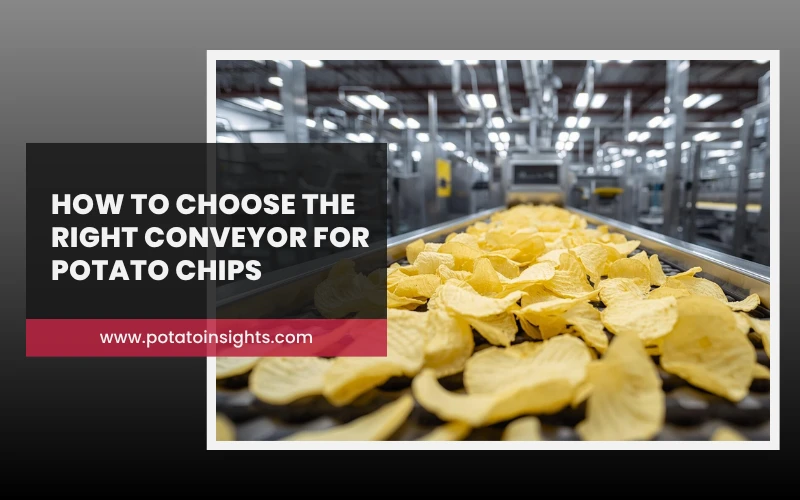
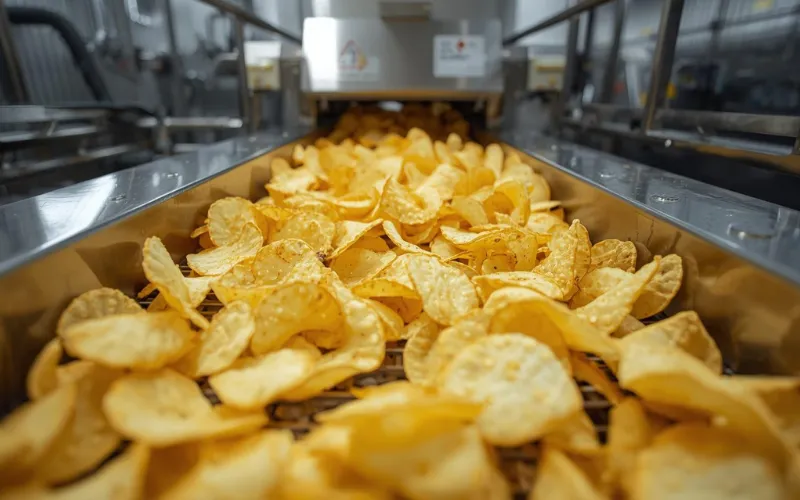
In a potato chips plant, conveyors move product from one step to the next. From washing to slicing, frying, seasoning and packing, every stage depends on smooth and safe product flow. A wrong conveyor choice can slow down the whole line.
Plant owners often face common problems. Chips may break, oil may build up on belts or cleaning may take too long. These issues lead to product loss and higher costs.
Choosing the right conveyor is not only about moving chips. It is about keeping product quality, meeting hygiene needs and matching the speed of the full processing line.
Why Conveyor Choice Matters
A potato chips line runs at high speed. Even a small mismatch in conveyor design can create delays or damage the product. Chips are light and fragile after frying, so they need gentle handling.
In many plants, poor conveyor setup can lead to 2% to 5% product loss due to breakage or spillage. Over time, this affects profit and customer satisfaction.
Conveyors also affect cleaning time. If oil and crumbs collect in hard-to-reach areas, cleaning takes longer and may stop production for hours.
Also read: Potato Chips Production Cost Calculator
Common Conveyor Types Used in Chips Processing
Different stages of chip processing need different conveyor types. Each type serves a specific purpose.
1. Belt Conveyors
These are widely used for moving raw potatoes and finished chips. They offer smooth movement and are easy to control.
2. Vibratory Conveyors
Used after frying and seasoning. They help spread chips evenly and remove excess oil or small particles.
You might also like
-
 India Frozen Potato Products Market Growth 2026: What’s Driving the Boom
 -
 How Many Pounds of Potato Chips Are Eaten on Super Bowl Sunday?
 -
 Potato Consumption Per Capita by Country 2026
 -
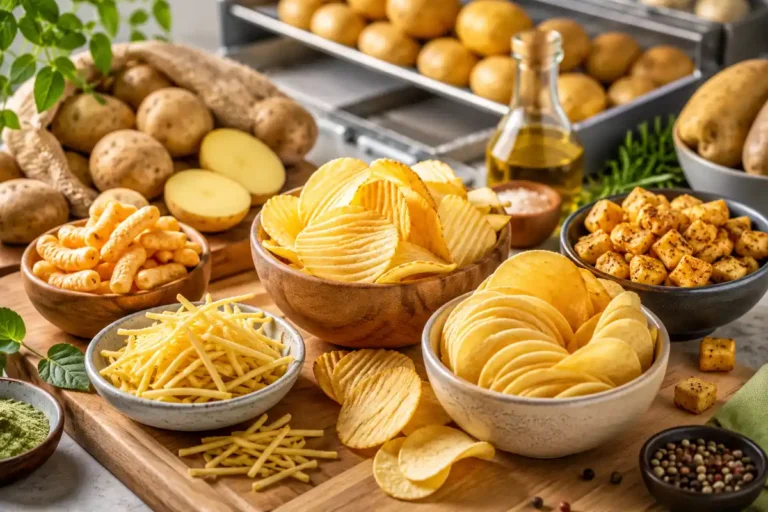 Latest Trends in the Potato Snack Industry (2026)
 -
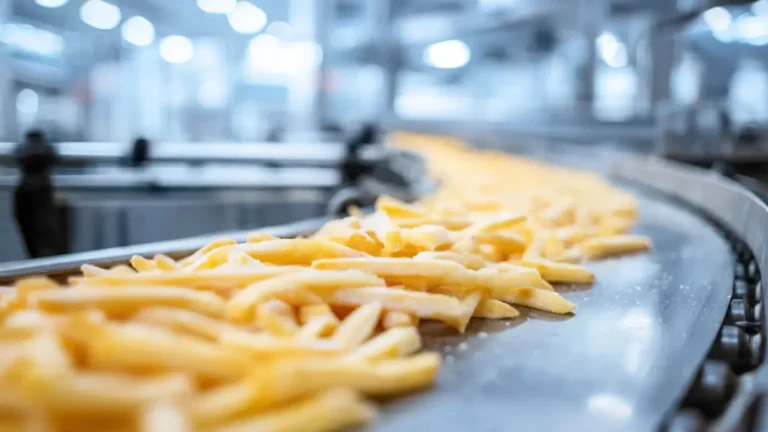 Complete Frozen French Fries Production Line Guide (2026)
 -
 Aeroponics vs Traditional Potato Farming: Costs, Yields & Benefits
3. Bucket Elevators
Used to move potatoes or chips vertically between machines. Good for saving floor space.
4. Modular Plastic Belt Conveyors
These are common in food plants. They are strong, easy to clean and suitable for wet and oily conditions.
Key Factors to Consider Before Choosing
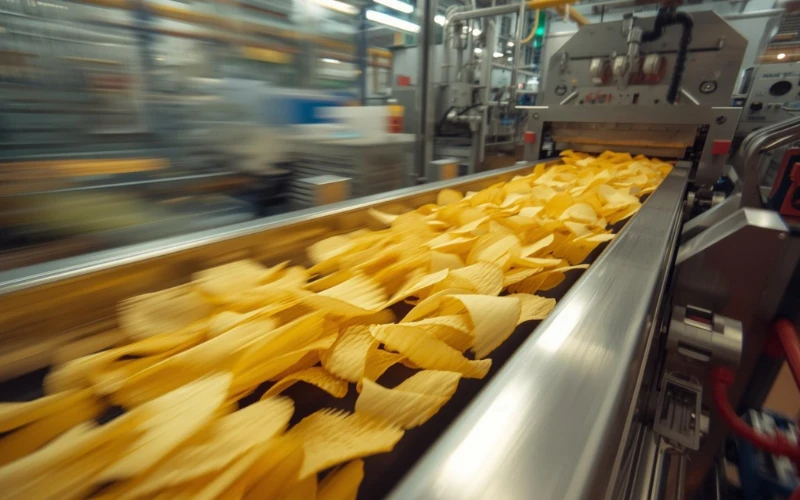
Choosing a conveyor requires a clear look at your processing needs. Below are the main factors you should check.
1. Product Type and Stage
Raw potatoes are heavy and firm. Chips are light and fragile. A conveyor that works for raw potatoes may damage chips after frying.
2. Capacity and Line Speed
Your conveyor must match the speed of slicers, fryers and packers. For example, a medium plant may process 500 kg to 2 tons per hour and the conveyor must handle this flow without overload.
3. Material and Food Safety
Food-grade materials are required in chip plants. Stainless steel frames and food-grade belts help maintain hygiene and meet safety rules.
4. Ease of Cleaning
Oil, salt and small chip pieces can collect on conveyors. Choose designs that allow quick cleaning with water or air systems.
5. Layout and Space
Plant space affects conveyor choice. Straight conveyors need more space, while elevators help in vertical movement.
Also read: Frozen French Fries Production Cost Calculator
Simple Selection Guide
| Factor | What to Check |
|---|---|
| Product Stage | Raw, sliced, fried or packed |
| Capacity | Tons per hour needed |
| Belt Type | Smooth, modular or vibratory |
| Cleaning Needs | Washdown or dry cleaning |
| Space | Horizontal or vertical setup |
This table can help you quickly match your plant needs with the right conveyor type.
Common Mistakes to Avoid
Many plants make small mistakes that lead to bigger problems later.
- Using the same conveyor for all stages
- Ignoring cleaning and maintenance needs
- Choosing low-cost belts that wear out quickly
- Not matching conveyor speed with processing machines
These mistakes often lead to breakdowns, product loss and higher repair costs.
Cost vs Long-Term Value
Initial cost is important, but long-term value matters more.
A low-cost conveyor may save money at first, but it may need frequent repairs or replacement. On the other hand, a well-built conveyor can run for years with fewer issues.
In many cases, better conveyor design can reduce product loss and improve output. Even a 1% improvement in efficiency can save large amounts over time in a high-volume plant.
Role of Automation in Modern Lines
Modern potato chip plants are adding more automation to conveyors.
Sensors can track product flow and detect blockages. Speed control systems help match conveyor movement with other machines. This keeps the line balanced and reduces manual work.
Automation also helps in quality control by removing damaged chips or foreign material during processing.
Also read: Why Food Manufacturers Are Picking Potato Starch
Conclusion
Choosing the right conveyor for a potato chips processing line is a key decision for any plant. It affects product quality, production speed and daily operations.
By focusing on product type, capacity, hygiene and layout, plant owners can select conveyors that work well for their needs. Careful selection at the start can reduce problems later and keep the processing line running smoothly.
As chip demand continues to grow, efficient and reliable conveyor systems will remain an important part of every processing facility.
Frequently Asked Question (FAQ):
-
Which conveyor is best for potato chips after frying?
Vibratory conveyors are often used because they handle chips gently and remove excess oil.
-
Why is food-grade material important?
It helps keep the product safe and meets food safety standards.
-
Can one conveyor be used for all stages?
No. Different stages need different conveyor types for best results.
-
How do I match conveyor speed with my line?
Check the output of each machine and choose a conveyor that can handle that flow rate.
-
What is the biggest issue in chip conveyors?
Product breakage and cleaning difficulty are the most common problems.
Image credit: Potato Insights
Recent Articles


Get the latest potato industry updates in Google Search. Add PotatoInsights as a preferred source for potato markets, processing, trade and industry news.