Rising Diesel Prices Could Raise U.S. Potato Harvest Costs in 2026
How could high diesel prices affect the 2026 U.S. potato harvest? From farm machinery to transportation, rising fuel costs could put additional pressure on growers and potato businesses.
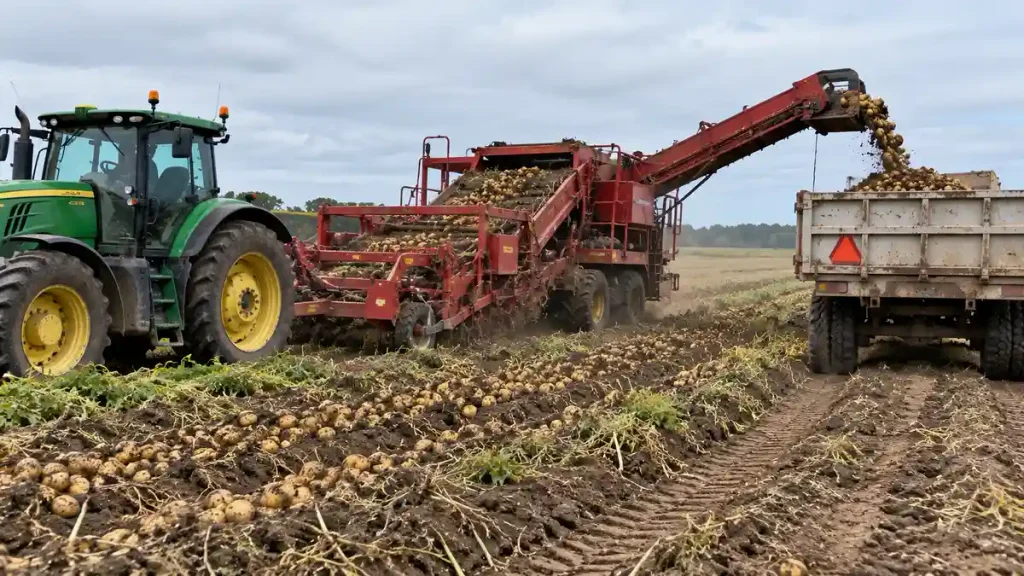
Rising diesel prices could increase harvesting, handling and transportation costs for U.S. potato growers in 2026. The pressure comes as fuel prices remain far above year-earlier levels, adding to the cost of operating farm machinery and moving potatoes from fields to storage and processing facilities.
The U.S. Energy Information Administration (EIA) reported that the average U.S. retail diesel price reached $6.29 per gallon in September 2026. The increase comes amid global fuel supply disruptions linked to conflicts in the Middle East and Ukraine.
For potato growers, processors, storage operators and buyers, the main concern is how long fuel prices remain high and whether additional operating costs will reduce farm margins during the 2026 harvest season.
How Are Rising Diesel Prices Affecting Potato Harvest Costs?
Diesel is used to operate farm equipment, transport harvested potatoes and support other field operations. Higher fuel prices can increase the cost of bringing potatoes from the field into storage or delivering them to processing plants and fresh markets.
Potato harvesting can involve several steps, including digging, collecting, loading and moving the crop. When fuel costs rise, growers may pay more to operate machinery and transport equipment or harvested potatoes.
The impact will vary by farm. Growers who use more fuel-intensive machinery, haul potatoes over longer distances or rely on outside contractors may face different cost pressures from farms with shorter transport routes or more favorable fuel purchasing arrangements.
Also read: Europe Faces Potato Shortage: Which Countries Can Fill the Supply Gap?
U.S. Diesel Prices Remain High in October 2026
The latest available figures show that diesel prices remain well above their levels a year earlier, even though weekly prices eased in early October.
According to the EIA’s weekly fuel price data, the U.S. average on-highway diesel price was $6.199 per gallon on 5 October 2026, compared with $3.711 per gallon on the corresponding week a year earlier. That represents an increase of about 67%.
The EIA’s October outlook also forecasts that retail diesel prices will remain above $6 per gallon during October before gradually declining. However, the agency expects diesel prices to stay elevated relative to historical averages as fuel inventories remain tight.
You might also like
-
 Cuttack Farmers Hesitant to Grow Potatoes This Season
 -
 Global Potato Market Faces Supply Gluts, Weather Shocks and Falling Prices
 -
 U.S. Potato Industry Disappointed Over Japan’s Ongoing Market Block
 -
 Tajikistan Shows Higher Potato Output and Focuses on Better Storage
 -
 Top Countries Importing American Potatoes (2026)
 -
 Nepali Fries Maker to Ship Products to UK, Japan and Australia
These figures reflect on-highway diesel prices, not the exact price every potato farm pays for agricultural fuel. Actual costs depend on location, fuel taxes, supplier contracts, delivery arrangements and the type of fuel purchased.
Which Potato Farming Operations Could Become More Expensive?
Higher diesel prices can affect several parts of the U.S. potato supply chain.
1. Field harvesting and machinery
Diesel-powered equipment is used during potato harvesting and related field operations. When fuel prices rise, each hour of machinery use can cost more. Farms that need long operating hours or repeated passes across fields may face greater pressure on their fuel budgets.
2. Transport from fields to storage
Harvested potatoes often need to be moved from fields to storage facilities or processing plants. Higher diesel prices can raise the cost of operating farm trucks and paying commercial haulers.
Transport distance, load size and the number of trips all affect the final cost. Farms located farther from storage or processing facilities may be more exposed to higher hauling expenses.
3. Potato storage and handling
Diesel prices do not directly determine electricity costs for potato storage. However, fuel can affect the cost of moving potatoes, operating some handling equipment and transporting supplies. Storage expenses will also depend on electricity rates, labor and the length of the storage period.
4. Deliveries to processors and fresh markets
Potato processors and fresh-market suppliers depend on transport networks to move raw potatoes and finished products. If trucking companies face higher fuel expenses, they may seek higher freight rates.
Whether those increases are passed on to growers, processors, retailers or consumers will depend on contracts, market conditions and each business’s ability to absorb the extra expense.
Could Higher Fuel Costs Affect U.S. Potato Prices?
Higher diesel prices could add pressure to potato supply-chain costs, but they do not automatically mean retail potato prices will rise.
Growers often sell into markets where prices are influenced by supply, demand, crop quality, competing suppliers and existing contracts. If fuel costs increase but potato selling prices remain unchanged, growers may have less money left after paying production expenses.
Processors and retailers may also face higher transportation costs. However, the final effect on potato prices will depend on the size of the increase, the availability of potatoes and how businesses share those costs.
The important distinction is that higher production costs do not guarantee higher selling prices. A grower may absorb some or all of the increase if market conditions limit the ability to charge buyers more.
Also read: Top 10 Highest Potato Producing States in the US
What Can Potato Growers Do to Manage Higher Diesel Costs?
Growers can review fuel use and purchasing plans to reduce their exposure to price changes.
- Review fuel budgets: Compare current diesel prices with planned harvesting and hauling expenses.
- Plan equipment use: Coordinate field operations where practical to reduce unnecessary travel, idle time and repeat trips.
- Compare supplier offers: Check delivered fuel prices and contract terms before purchasing bulk supplies.
- Coordinate transportation: Where practical, plan loads and deliveries to reduce empty trips and avoidable hauling.
- Track costs per unit: Record fuel spending per acre, tonne harvested or load delivered to identify where cost increases are greatest.
These measures cannot eliminate the effect of high fuel prices, but they can help growers understand their exposure and plan purchases more carefully.
What to Watch for the Rest of 2026
Three developments will help determine the effect of diesel prices on the U.S. potato industry.
First, diesel prices over the coming weeks will show whether the recent easing continues or fuel costs remain elevated. Second, changes in global fuel supply and inventories could affect prices paid by farms and trucking companies. Third, freight rates and the cost of moving potatoes into storage and processing facilities will help reveal how much of the fuel increase reaches the wider supply chain.
The EIA expects diesel prices to decline gradually after October, but its outlook still points to elevated prices relative to historical averages.
The outlook is a forecast, not a guarantee, so potato businesses should continue to monitor actual local fuel and freight costs.
Conclusion
Higher diesel prices are a cost risk for U.S. potato growers during the 2026 harvest season. The pressure can extend beyond field operations to hauling, storage handling and deliveries to processing facilities.
The next step for potato businesses is to compare actual fuel and freight expenses with their budgets rather than assume that higher diesel prices will lead directly to higher potato selling prices. The duration of the fuel price increase will be an important factor in determining its effect on farm margins and the wider potato supply chain.
Also read: Potato Consumption Per Capita by Country
FAQs
-
Why are diesel prices affecting U.S. potato harvesting in 2026?
Higher diesel prices increase the cost of operating machinery and moving potatoes. The size of the impact depends on fuel use, location and transport requirements.
-
How much is diesel costing in the United States in October 2026?
The U.S. average on-highway diesel price was $6.199 per gallon on 5 October 2026, according to the EIA. Farm fuel prices may differ.
-
Will rising diesel prices increase potato prices in grocery stores?
Not necessarily. Higher fuel costs can put pressure on the supply chain, but retail prices also depend on potato supplies, demand, contracts and other costs.
-
Which potato businesses are exposed to higher fuel costs?
Potato growers, farm contractors, trucking companies, storage operators, processors and distributors may face higher costs depending on their fuel use and purchasing arrangements.
-
Will diesel prices fall before the end of 2026?
The EIA’s October outlook forecasts a gradual decline after October, but prices are expected to remain elevated relative to historical averages. Actual prices may change with fuel supply and market conditions.
Image (AI-generated) credit: Potato Insights
Sources & references:
- Short-Term Energy Outlook, October 2026 — U.S. Energy Information Administration (EIA)
- Gasoline and Diesel Fuel Update — U.S. Energy Information Administration (EIA)
- US Diesel Prices Remain High Despite Trump’s Moves to Boost Supplies — Reuters
- The Farm Belt’s Next Energy Pain Point Is About to Arrive — Axios
- Diesel Costs Increase for Harvest —fb.org
Recent Articles


"Get the latest potato industry updates in Google Search. Add Potato Insights as a preferred source for potato markets, processing, trade and industry news."