Idaho Potato Production Falls 13% in 2026: US Market Impact
Idaho potato production fell 13% in 2026 to 121.3 million cwt. Learn how lower yields affect US potato supply, wholesale russet prices and grocery costs.
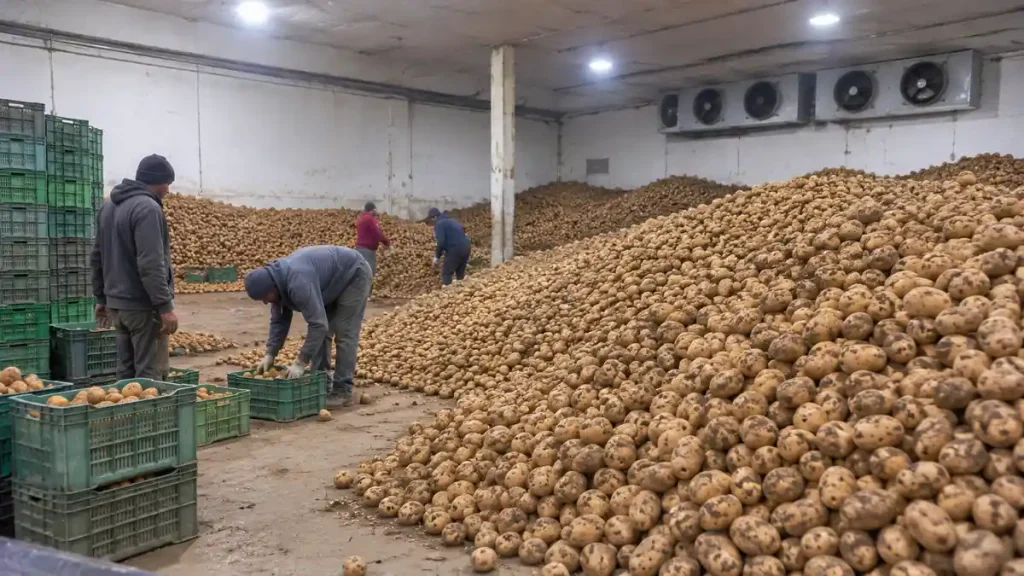
Idaho potato production fell 13% in 2026 to 121.3 million hundredweight (cwt), down from nearly 140 million cwt in 2025, according to the U.S. Department of Agriculture (USDA).
One cwt equals 100 lbs (about 45.4 kg). Because Idaho grows more potatoes than any other US state, this drop is tightening national supply and pushing wholesale russet prices sharply higher.
For grocery shoppers, restaurant owners and food processors, a smaller Idaho harvest means higher shipping-point costs and tighter retail availability through the 2026–2027 storage season. Understanding where the shortfall comes from helps buyers and consumers plan for changing prices in the months ahead.
Why Did Idaho Potato Production Drop 13% in 2026?
Two main factors caused the 2026 Idaho potato shortfall, reduced planted acreage and lower crop yields per acre. According to the USDA National Agricultural Statistics Service (NASS) report released on 10 November 2026, Idaho farmers harvested 300,000 acres in 2026, which is 15,000 fewer acres than in 2025.
At the same time, weather stress reduced average yields across the state from 445 cwt per acre in 2025 down to 405 cwt per acre in 2026. North American Potato Market News (NAPMN) reports that this 121.3 million cwt harvest is Idaho’s second-smallest crop since 2010 and sits 10% below the state’s five-year average. Even with this drop, Idaho remains the largest potato-producing state in the United States.
How the Idaho Drop Affects Total US Potato Supply
Total US potato production in 2026 reached 387.8 million cwt, down 29.8 million cwt (about 7%) from 2025, based on the 10 November 2026 USDA forecast. Idaho alone accounts for nearly two-thirds of the entire national production decline.
Washington and Oregon also recorded smaller harvests in 2026. Together, Idaho, Washington and Oregon make up roughly 86% of the total US production drop. Because the Pacific Northwest supplies the majority of US russet potatoes and frozen potato products, regional losses create immediate supply pressure nationwide.
Also read: Idaho Potato Industry 2026: Production, Varieties & Market Outlook
2025 vs. 2026 Potato Production Comparison
| Metric | 2025 Crop | 2026 Crop | Change |
| Idaho Total Production | Nearly 140 million cwt | 121.3 million cwt | Down 13% |
| Idaho Harvested Area | 315,000 acres | 300,000 acres | Down 15,000 acres |
| Idaho Average Yield | 445 cwt per acre | 405 cwt per acre | Down 40 cwt per acre |
| Total US Production | 418 million cwt | 387.8 million cwt | Down about 7% |
Note: Figures reflect USDA National Agricultural Statistics Service (NASS) data released on 10 November 2026 and the USDA Potatoes 2025 Summary.
What Happens to US Potato Prices in 2026 and 2027?
Tighter raw supply has already driven wholesale shipping-point prices up across major US growing regions. Shipping-point prices represent what first handlers charge when potatoes leave the packing shed, before retail grocery markups.
You might also like
-
 Idaho Potato Industry 2026: Production, Varieties & Market Outlook
-
 Canada’s Potato Output Dips Slightly in 2025 After Dry Season
-
 UK Potato Growers Set for Packed Conference in Dundee
-
 European Heatwave Raises Concerns for Potato Farmers
-
 Potato Prices Rise as Afghan Families Struggle
-
 Ukraine Set for 50% Bigger Potato Harvest in 2025
According to NAPMN market data from November 2026, weighted-average shipping-point prices for fresh russets jumped compared to one year earlier.
- Idaho fresh russet prices rose 81.1% year over year.
- Columbia Basin (Washington and Oregon) prices climbed 55.4%.
- San Luis Valley (Colorado) prices increased 44.9%.
- Wisconsin fresh russet prices gained 29.6%.
AgWest Farm Credit noted in its November 2026 market update that spot Idaho russet shipping-point prices reached $23.87 per cwt, up 126% from the prior year. For everyday grocery shoppers, wholesale jumps usually take several weeks to appear on store shelves. Consumers should expect higher retail prices per lb for fresh baking potatoes and bagged russets during winter 2026 and spring 2027.
Impact on Fresh Shipments, Fry Plants and Dehydrators
The 13% drop in Idaho affects different parts of the potato supply chain in very different ways. Russet Burbank potatoes, Idaho’s signature variety, can be sold either to fresh grocery packers or to frozen french fry processors.
Fresh Table Potato Shipments NAPMN forecasts that US table potato shipments from the 2026 crop will fall by 4.7%. While growers in Colorado, Wisconsin and Michigan shipped more early-season russets to help fill the gap, overall fresh volume is expected to tighten as fry plants compete for Idaho storage supplies.
Frozen French Fry Processors In its eight-state processing outlook, NAPMN projects that fry plants will use 169 million cwt from the 2026 crop, down 2.4% from the previous season. Even though total processing volume is slightly lower, AgWest Farm Credit notes that individual fry plants in tight supply areas are actively looking for uncontracted potatoes. That competition reduces the volume available for fresh retail bags.
Potato Dehydrators Dehydrators, which make potato flakes and granules, face the sharpest drop in raw supply. NAPMN estimates dehydrators will use 36 million cwt from the 2026 crop, down 14.6% from last year. Growers report weak demand and fewer contracts for off-grade potatoes that do not meet fresh or fry-plant size standards.
Also read: Top 10 Highest Potato Producing States in the US
What Buyers and Consumers Should Watch Next
Market participants will get their next major supply update on 18 December 2026, when the USDA releases its Potato Stocks report. That report will show exactly how many potatoes remain in climate-controlled storage facilities across Idaho and other key states.
If you run a restaurant, foodservice kitchen or retail produce department, locking in supplier pricing early or diversifying russet sourcing from Colorado and Wisconsin can help manage costs. If you are a household shopper, buying larger 10-lb bags instead of loose single potatoes and watching for seasonal store promotions will help keep grocery bills steady.
FAQs:
-
Why did Idaho potato production drop by 13% in 2026?
Idaho farmers planted 15,000 fewer acres than in 2025 and summer weather stress lowered average yields from 445 cwt per acre to 405 cwt per acre.
-
Will grocery store potato prices go up in 2026 and 2027?
Higher retail prices are likely because wholesale fresh russet shipping-point prices in Idaho jumped 81.1% year over year in November 2026.
-
Is there going to be a potato shortage in the United States?
The United States will not run out of potatoes, as total 2026 production still reached 387.8 million cwt, though fresh table shipments are projected to drop 4.7%.
-
Which states help make up for Idaho’s smaller potato crop?
Growers in Colorado’s San Luis Valley, Wisconsin, Michigan and the Columbia Basin increased early fresh shipments to help offset slower shipments from Idaho.
-
How does the 2026 Idaho crop affect french fry prices?
Fry plants are projected to use 2.4% fewer potatoes this season and may buy uncontracted russets from storage, which keeps raw ingredient costs firm for foodservice operators.
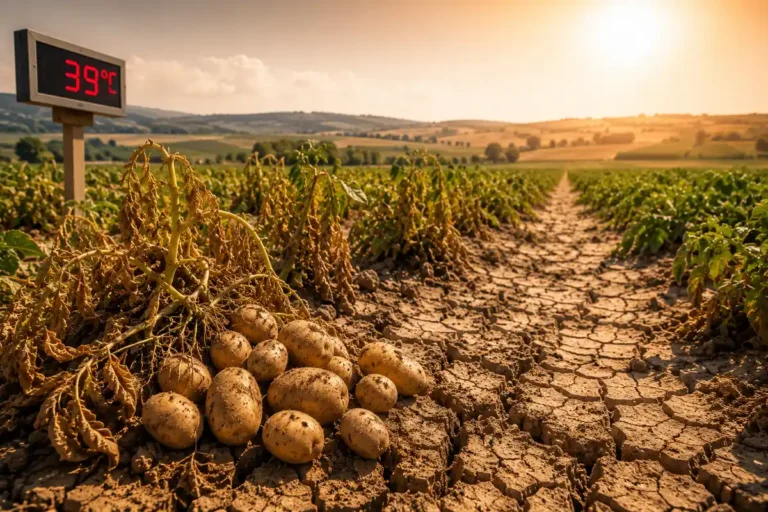
Image (AI Generated) Credit: Potato Insights
Sources & references:
- Idaho’s 2026 potato crop is down 13 percent — Idaho Farm Bureau
- Smaller U.S. potato crop lifts russet prices as fresh shipments are projected to fall — Potato News Today
- Potatoes Industry Insights (November 2026) — AgWest Farm Credit
- Potatoes 2025 Summary (September 2026) — USDA National Agricultural Statistics Service
- Crop Production, November 2026, USDA National Agricultural Statistics Service
Recent Articles

"Get the latest potato industry updates in Google Search. Add Potato Insights as a preferred source for potato markets, processing, trade and industry news."