Wisconsin Potato Industry: Production, Processing & Market Outlook
Explore Wisconsin's potato industry, including production, chip and processing potatoes, seed, growing areas, storage, varieties and the 2026 outlook.
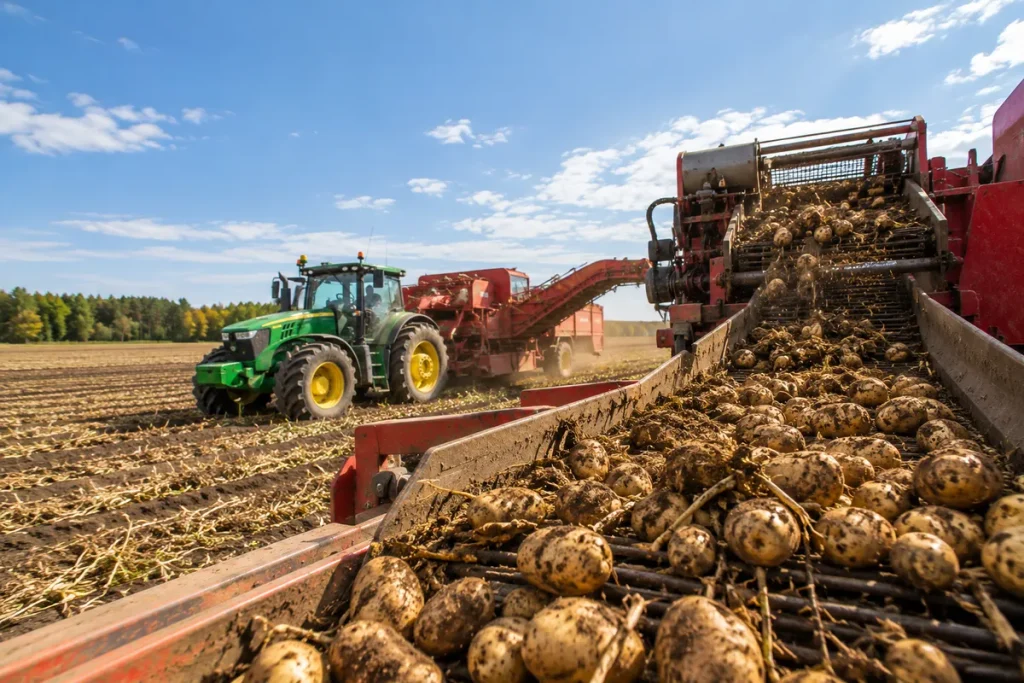
Wisconsin is one of the most important potato-producing states in the U.S., with a particularly strong position in processing and potato chip production. The state planted 66,000 acres of potatoes in 2026 and harvested 65,000 acres.
The state’s potato industry includes fresh-market growers, processing potato farms, chip potato growers, seed producers, storage operations, packers and processors. The Central Sands and Antigo areas are especially important production regions, while companies such as McCain Foods and growers supplying Frito-Lay are part of the processing network.
For 2026, acreage, crop quality, processing demand, storage performance and variety selection will be important factors for Wisconsin growers and potato buyers.
Wisconsin potato production in 2026
Wisconsin planted 66,000 acres of potatoes in 2026, down from 68,000 acres in 2025. The state harvested 65,000 acres in 2026. USDA had not yet published the final 2026 yield or production figures.
The most recent complete production data is from 2025.
| Wisconsin potato production | 2024 | 2025 | 2026 |
|---|---|---|---|
| Planted acres | 67,000 | 68,000 | 66,000 |
| Harvested acres | 66,000 | 67,000 | 65,000 |
| Yield | 400 cwt/acre | 430 cwt/acre | Not available |
| Production | 26.4 million cwt | 28.81 million cwt | Not available |
| Production value | Not shown | $426.4 million | Not available |
Wisconsin’s 2025 crop was larger than the 2024 crop even though the difference in harvested acreage was relatively small. The higher yield of 430 cwt per acre helped production reach 28.81 million cwt.
The final 2026 potato production number will therefore depend on yield as well as acreage.
Where are Wisconsin potatoes grown?
Wisconsin’s potato industry is concentrated in several important production areas, with the Central Sands being one of the most significant.
The Central Sands region includes sandy, fast-draining soils and has become a major potato and processing vegetable production area. Irrigation played a major role in making these soils suitable for intensive crop production.
The Hancock Agricultural Research Station is located in the Central Sands and conducts research on vegetable production in the region. The station focuses on issues linked to sandy soils, water management and crop production.
You might also like
-
 Best Frozen French Fries Manufacturers in the USA
 -
 How Are Kettle Cooked Potato Chips Made? Factory Process Explained
 -
 How Are Crinkle Cut French Fries Made? Factory Process Explained
 -
 Innovation in Potato Processing: Turnkey Solutions from Fry and Bake
 -
 Global Potato Crisp Market to Reach USD 45 Billion by 2035
 -
 Fresh vs Processed Potatoes: Which Is More Profitable?
The Antigo area in northern Wisconsin is another important potato region. Farms around the Antigo flats grow potatoes on Antigo Silt Loam, while some growers also use sandier soils in surrounding areas to provide flexibility during planting and harvest.
Other potato-growing areas extend across central and northern Wisconsin. This geographic spread supports different potato markets and helps growers manage soil, weather and harvest conditions.
Also read: Idaho Potato Industry: Production, Varieties & Market Outlook
Processing potatoes are a major part of Wisconsin’s industry
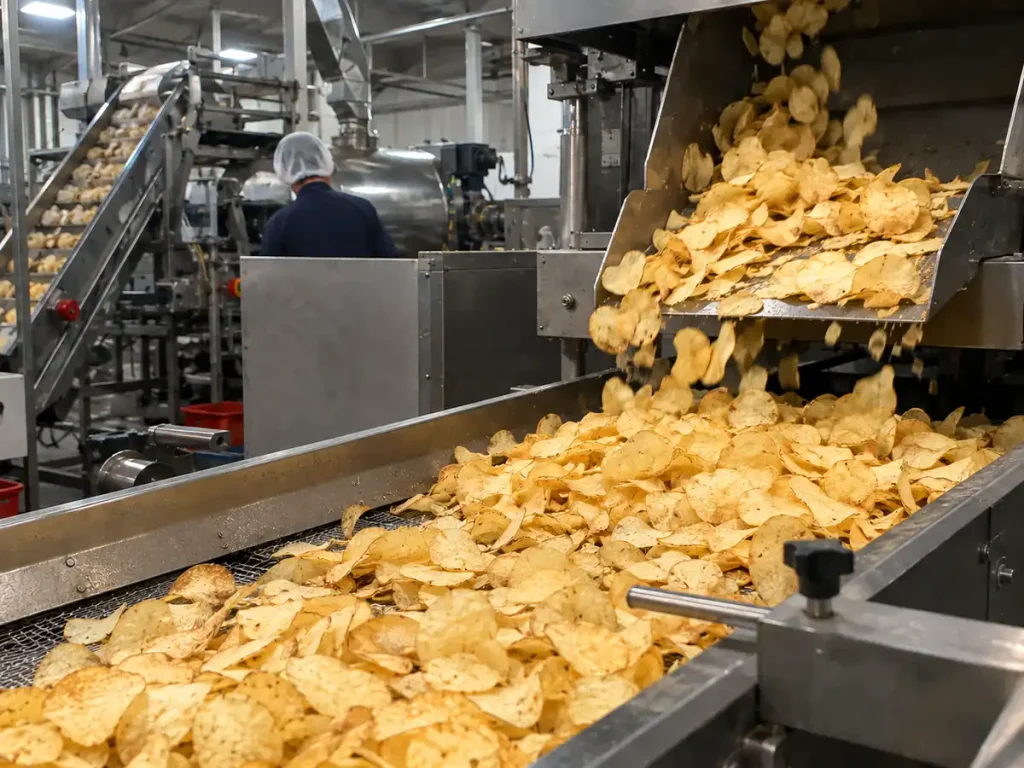
Wisconsin’s potato sector is not simply a fresh-market business. Processing is a major part of the industry.
A Wisconsin industry sustainability assessment covering 56,785 acres found that participating growers represented 20,400 acres of fresh-market potatoes, 17,900 acres of chip potatoes, 10,400 acres of frozen-market potatoes and 7,400 acres of seed potatoes.
That breakdown shows how strongly Wisconsin’s potato acreage is connected to processing.
Processing potatoes are grown to meet specific requirements for products such as French fries, frozen potato products and chips. Variety, dry matter, sugar levels, size, skin condition and storage performance can all affect whether potatoes are suitable for a particular processing line.
McCain Foods and frozen potato processing
McCain Foods has a major potato processing operation in Plover, Wisconsin. The facility sources potatoes from contract growers in the Central Sands and other parts of Wisconsin.
McCain works primarily with russet-type processing potatoes. Varieties cited by the company include Russet Burbank, Umatilla Russet, Ranger Russet and Innovator. The company also tests new varieties for processing performance.
This creates an important connection between Wisconsin growers and the frozen potato market. Growers are not simply producing a generic crop. They are producing potatoes that need to meet specific processor requirements.
Wisconsin’s potato chip industry
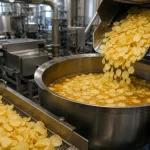
Wisconsin is particularly important for potato chip production.
The state’s chip potato sector includes growers producing potatoes specifically for snack-food processors. Heartland Farms, for example, is described by WPVGA as one of the nation’s largest suppliers of chipping potatoes to Frito-Lay. Its production includes varieties such as Snowden, Atlantic, Pike, Lamoka and other chip varieties.
The connection between seed production and chip processing is also important. Wisconsin seed growers supply varieties that eventually enter the chip production chain.
Schroeder Brothers Farms in Antigo, for example, has produced seed potatoes for Frito-Lay and other customers. The farm has also shifted its acreage mix over time toward chip potatoes along with russets and reds.
For chip manufacturers, variety selection is especially important because potatoes need to produce the right fry color, texture and processing performance.
Also read: Washington Potato Industry Production, Processing and Exports
Seed potatoes support the processing chain
Wisconsin also has a specialized seed potato sector.
The Wisconsin Seed Potato Certification Program works with growers, researchers and testing facilities across the state. The program includes activities in Antigo and an early-generation seed farm in Rhinelander.
Rhinelander is also home to a Wisconsin seed potato farm involved in variety research and development. Wisconsin growers produce Russet, White, Red, Yellow, Fingerling and Blue and Purple varieties.
Seed production is particularly important for the chip industry because processors need reliable supplies of specific varieties. A seed grower may therefore be producing potatoes that are several steps removed from the consumer but still directly connected to a bag of potato chips.
Potato storage is a major part of the business
Storage allows Wisconsin growers and processors to extend potato supply beyond the harvest period.
For processing potatoes, storage quality is closely connected to final product quality. Bruising, rot, dehydration, sprouting and changes in fry color can reduce the value of stored potatoes.
McCain Foods uses large storage facilities in Wisconsin with insulation, computerized controls, ventilation, humidity management and refrigeration. The company stores potatoes for continued processing throughout the year.
Wisconsin also has a Potato and Vegetable Research Storage Facility used to study storage conditions and potato quality. The facility includes large bulk storage bins and smaller storage units with independent environmental controls. Researchers study issues including pressure bruising, shrink, sprouting, storage diseases and fry quality.
Storage is therefore more than a way to hold potatoes after harvest. For processors, it is part of maintaining a consistent supply of raw material.
Potato varieties grown in Wisconsin
Wisconsin produces several major potato groups.
Russet potatoes are used for fresh markets as well as frying and other processing applications. Wisconsin varieties include Russet Burbank, Goldrush, Ranger and others.
Chip varieties include Snowden, Atlantic, Pike, Lamoka and Waneta. New varieties are also being developed and tested for processing performance.
Red, yellow, white, fingerling and purple potatoes serve fresh-market and specialty markets. Their different textures, colors and cooking characteristics make them suitable for different retail and foodservice applications.
One newer example is Hodag, a University of Wisconsin-Madison potato variety developed as a long-storage processing chip variety with common scab resistance. Its development reflects the industry’s focus on varieties that can combine processing quality with storage performance.
Also read: Top Potato Chips Manufacturers in the USA
What is the Wisconsin potato outlook for 2026?
The 2026 Wisconsin potato outlook is closely tied to final crop yields and processing demand.
Acreage is slightly lower than in 2025, with planted area falling from 68,000 to 66,000 acres. However, the 2025 season showed that higher yields can offset changes in planted acreage.
For processing growers, contracted demand can provide more certainty than open-market production. Storage capacity also allows processors to maintain raw potato supplies after harvest and support year-round production.
The main areas to watch through the rest of 2026 are:
- Final Wisconsin potato yield and production
- Chip potato quality and processing demand
- Frozen potato processing requirements
- Storage quality and shrink
- Demand for specific processing varieties
- Seed potato production and certification
- Weather and disease pressure during the growing season
Wisconsin’s strength is the connection between these parts of the supply chain. A potato may begin as certified seed, move into commercial production, enter specialized storage and eventually reach a chip or frozen-food processor.
Wisconsin potato industry at a glance
| Category | Wisconsin industry |
|---|---|
| 2026 planted acreage | 66,000 acres |
| 2026 harvested acreage | 65,000 acres |
| 2025 production | 28.81 million cwt |
| Major production regions | Central Sands, Antigo and other central and northern areas |
| Processing markets | Frozen potatoes, French fries and potato chips |
| Chip market | Strong connection with Frito-Lay suppliers |
| Seed production | Certified and foundation seed production |
| Major processor example | McCain Foods, Plover |
| Major potato groups | Russet, chip, red, yellow, white, fingerling, purple |
| 2026 final production | Not yet available as of 15 September 2026 |
Conclusion
Wisconsin’s potato industry is built around more than farm production. The state has a connected supply chain covering seed potatoes, commercial production, chip potatoes, frozen processing, storage and fresh-market sales.
The Central Sands and Antigo regions remain important production areas, while processors and snack companies create strong demand for specialized varieties. For 2026, the next major data point will be the final production and yield figures. Those numbers will show how the state’s 65,000 harvested acres translated into actual potato supply.
For businesses buying or processing potatoes, the Wisconsin story is especially relevant because the state’s value comes from the full chain, from certified seed and specialized varieties to storage and processing.
Also read: Best Frozen French Fries Manufacturers in the USA
FAQs:
-
How many acres of potatoes does Wisconsin grow in 2026?
Wisconsin planted 66,000 acres and harvested 65,000 acres of potatoes in 2026, according to USDA NASS.
-
How many potatoes did Wisconsin produce in 2025?
Wisconsin produced 28.81 million cwt of potatoes in 2025, with an average yield of 430 cwt per harvested acre.
-
Is Wisconsin important for potato chip production?
Yes. Wisconsin has a significant chip potato sector, including growers that supply Frito-Lay and produce varieties such as Snowden, Atlantic, Pike and Lamoka.
-
Who processes potatoes in Wisconsin?
McCain Foods operates a major processing facility in Plover, while Wisconsin also has other shippers, processors and potato industry businesses.
-
What are the main potato varieties grown in Wisconsin?
Wisconsin grows Russet, White, Red, Yellow, Fingerling and Blue and Purple potatoes, along with specialized processing and chip varieties.
Image credit: Potato Insights
Sources and References:
- 2026 State Agriculture Overview: Wisconsin — USDA National Agricultural Statistics Service
- 2025 State Agriculture Overview: Wisconsin — USDA National Agricultural Statistics Service
- Crop Production 2025 Summary — USDA National Agricultural Statistics Service
- Varieties — Wisconsin Potato and Vegetable Growers Association
- Research — Wisconsin Potato and Vegetable Growers Association
- Interview with Mary LeMere — Wisconsin Potato and Vegetable Growers Association
- Interview with Jeremie Pavelski & T.J. Kennedy — Wisconsin Potato and Vegetable Growers Association
- Home of the Hodag — Wisconsin Potato and Vegetable Growers Association
https://wisconsinpotatoes.com/badger-commontater-news/home-of-the-hodag/
Recent Articles
Follow us to receive updates🔔