How Are Kettle Cooked Potato Chips Made? Factory Process Explained
Learn how kettle cooked potato chips are made in factories, from potato preparation and thick slicing to batch frying, seasoning, inspection and packaging.
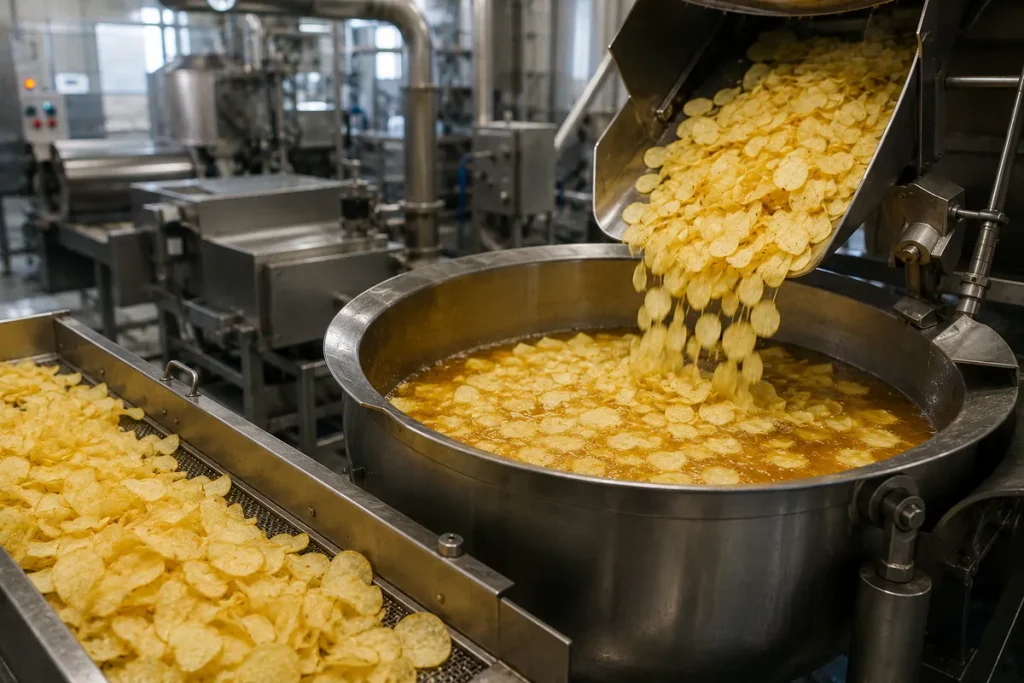
Kettle cooked potato chips are made by slicing potatoes thicker than standard potato chips and frying the slices in batches in hot oil. Unlike a typical continuous chip line, a kettle process cooks a batch of slices together for a longer time, with the chips stirred and moved through the oil during frying.
This process helps create the thick, firm crunch associated with kettle cooked chips.
For U.S. snack manufacturers, the process involves much more than putting sliced potatoes into a fryer. Potato preparation, slice thickness, oil temperature, frying time, oil management, seasoning and packaging all affect the finished product.
How Are Kettle Cooked Potato Chips Made?
A typical factory process follows these main steps:
- Potato receiving and inspection
- Cleaning and preparation
- Slicing
- Optional slice washing
- Batch kettle frying
- Oil draining
- Seasoning
- Inspection and packaging
The exact process can vary between manufacturers and product types, but batch frying is the feature that separates kettle-style production from continuous potato chip frying.
Also read: Best Potato Varieties for Crinkle Cut French Fries in the USA
1. Potatoes Are Received and Inspected
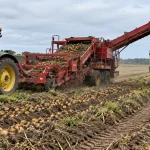
The process starts with whole potatoes selected for chip production. At the factory, potatoes are cleaned and prepared before slicing.
Some kettle chip operations peel the potatoes, while others leave the skin on. The choice depends on the product being made and the desired appearance.
Potato preparation also needs to support consistent slicing and frying. Differences in potato solids, reducing sugars, size and condition can affect cooking behavior and final chip quality.
2. Potatoes Are Cleaned
Potatoes are scrubbed or otherwise cleaned to remove soil and surface material before they enter the slicing stage.
You might also like
-
 US Firm Simplot Finalises Deal to Buy Belgian Frozen Fries Maker Clarebout
 -
 Best Potatoes for French Fries in the USA: A Complete Guide
 -
 Fresh vs Processed Potatoes: Which Is More Profitable?
 -
 Innovation in Potato Processing: Turnkey Solutions from Fry and Bake
 -
 Global Potato Crisp Market to Reach USD 45 Billion by 2035
 -
 Best Frozen French Fries Manufacturers in the USA
Some factories use a peeler, while others produce skin-on chips. The U.S. Environmental Protection Agency notes that batch kettle frying uses preparation steps similar to continuous potato chip production, with cleaning and slicing among the main preparation stages.
3. Potatoes Are Sliced Thicker
This is one of the most important differences between kettle cooked chips and conventional thin potato chips.
The potatoes are cut into relatively thick slices. Research on kettle chips describes slices around 1.6 mm thick, while other batch-style processes can use slices in a broader range depending on the product and process.
The thicker slice gives kettle chips their familiar firm bite.
After slicing, the slices may or may not be washed. Kettle-style production commonly leaves more surface starch on the slices than continuous chip production, which can contribute to their characteristic texture.
4. The Potato Slices Enter the Kettle Fryer
This is the defining stage of kettle chip production.
Instead of continuously moving individual slices through a long fryer, a batch of potato slices is placed into a kettle containing hot cooking oil. The slices are cooked together as a group.
The oil temperature changes during the process. When a large quantity of relatively cool potato slices enters the fryer, the oil temperature can fall before rising again as the fryer recovers. This temperature pattern is one reason batch frying behaves differently from continuous frying.
5. The Chips Are Stirred During Frying
The potato slices cannot simply sit in the kettle.
During batch frying, the slices are moved, stirred and dunked through the hot oil. This helps expose the slices to the cooking oil and reduces sticking and uneven cooking.
Industrial batch kettle systems can use paddles or other mechanisms to move the chips. The EPA describes batch kettle fryers as using stirring and dunking during cooking.
The cooking period is generally longer than for continuous potato chip frying because kettle chips are thicker and the process uses a slower frying profile. One research study reported batch kettle cooking times of up to about 540 seconds under its tested conditions, although actual factory settings vary.
Also read: How Are Crinkle Cut French Fries Made? Factory Process Explained
6. Moisture Is Removed During Frying
As the potato slices cook, water leaves the potato as steam. The chips gradually become drier and develop their final texture.
This is where temperature, time, slice thickness, potato composition and fryer loading all matter. Too much moisture left in the product can affect crispness, while excessive cooking can lead to unwanted darkening and flavor changes.
Manufacturers therefore monitor the frying process rather than relying only on a fixed cooking time.
7. Chips Are Removed and Drained
When the chips reach the desired cooking condition, the batch is removed from the kettle.
The chips need to drain so excess surface oil can separate from the product. Industrial systems can use baskets, conveyors or other equipment for chip removal and transfer.
From there, the chips move toward seasoning and packaging.
8. Salt and Other Seasonings Are Added
Freshly fried chips are usually seasoned after cooking.
Salt is one of the most common seasonings, but manufacturers can also produce flavored kettle chips using different seasoning blends. The seasoning system needs to distribute the ingredients across the chips without damaging the product.
For a commercial snack producer, consistent seasoning matters because customers expect the same flavor from bag to bag.
9. The Chips Are Inspected and Packaged
After seasoning, the finished chips are checked before packaging. Manufacturers can inspect factors such as appearance, color, texture, seasoning distribution and product quality.
The chips are then packed into retail bags or other suitable packaging for distribution.
Packaging also protects the finished product from moisture and helps maintain its crisp texture during storage and transportation.
Also read: USA vs Canada Frozen French Fry Industry
Kettle Cooked vs. Regular Potato Chips
The main difference is the frying method.
| Feature | Kettle cooked chips | Continuous potato chips |
|---|---|---|
| Frying method | Batch frying | Continuous frying |
| Slice thickness | Generally thicker | Generally thinner |
| Cooking time | Longer | Shorter |
| Oil temperature profile | Changes during batch cooking | More closely controlled through continuous frying |
| Texture | Firm, crunchy bite | Typically thinner and crisp |
| Starch on surface | Often higher | More commonly reduced before frying |
Kettle chips are therefore not simply regular potato chips cooked in a different fryer. The slice thickness and batch frying process work together to create a different texture.
What Happens to Acrylamide During Kettle Chip Production?
Acrylamide can form naturally when certain plant-based foods, including potatoes, are cooked at high temperatures. It results from a reaction involving reducing sugars and the amino acid asparagine.
This is relevant to potato chip manufacturers because frying is one of the cooking methods associated with acrylamide formation. The FDA recommends that food manufacturers evaluate suitable approaches for reducing acrylamide while maintaining food safety and desired product quality.
For this reason, raw material selection and process control are important parts of commercial potato chip manufacturing.
Why Do Kettle Chips Have a Different Crunch?
The thicker potato slices and batch frying process are the main reasons.
Kettle chips generally spend longer in the fryer than continuously fried chips. The thicker slices and slower cooking process produce a firmer texture that many consumers recognize as the typical kettle chip bite.
The amount of starch remaining on the potato surface can also affect the final texture.
Conclusion
Kettle cooked potato chips are made through a batch frying process built around thicker potato slices, controlled frying, regular movement in the oil, draining, seasoning and packaging.
For manufacturers, consistency starts before the potatoes reach the fryer. Potato quality, slice thickness, oil management, frying conditions and final moisture all affect the crunch and appearance of the finished chip.
For consumers, that familiar thick crunch comes from the way the potato is sliced and how the batch is cooked, rather than from a special ingredient.
Also read: Top Potato Chips Manufacturers in the USA
FAQs:
-
Are kettle chips actually fried in a kettle?
Yes. Kettle-style chips are produced through batch frying, where groups of potato slices are cooked together in a fryer containing hot oil.
-
Are kettle cooked chips thicker than regular chips?
Generally, yes. Kettle chips use thicker slices, which contributes to their firm and crunchy texture.
-
How long are kettle chips fried?
The time varies by process and product. Batch kettle frying generally takes longer than continuous frying and some documented processes take around 10 minutes or more.
-
Are kettle chips healthier than regular potato chips?
The term “kettle cooked” describes the manufacturing process, not a health rating. Nutrition depends on the specific product, ingredients, serving size and cooking process.
-
What type of potatoes are used for kettle chips?
Manufacturers select potato varieties and lots that provide suitable solids, sugar levels, size and frying performance. The exact varieties can differ between producers.
Image credit: Potato Insights
Recent Articles

"Get the latest potato industry updates in Google Search. Add Potato Insights as a preferred source for potato markets, processing, trade and industry news."