Fresh vs Processed Potatoes: Which Is More Profitable?
Fresh vs processing potatoes comparison for growers. Learn which potato market offers better profit, stable income, contract benefits, risks and buyer demand.
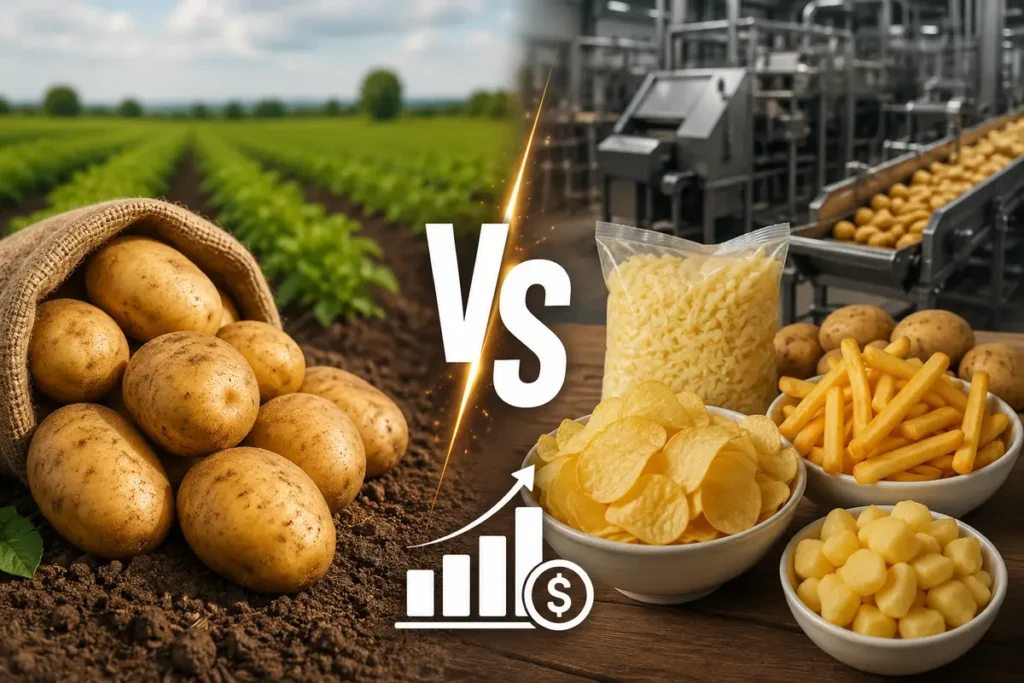
Fresh potatoes can bring higher returns when market prices are strong, but processing potatoes often gives growers steadier income through contracts. The more profitable choice depends on your location, potato variety, buyer access, storage capacity, crop quality, and risk appetite.
For many growers, processing potatoes are safer because factories may offer pre-agreed contracts. Fresh potatoes can pay better in a tight market, yet prices can fall quickly when supply rises. So, which one should you grow? The answer is not the same for every farm.
In the United States, processing is already a major part of the potato business. USDA data shows that 56 percent of potato harvested area was intended for processing, equal to about 600,169 acres.
Fresh Potatoes vs Processing Potatoes at a Glance
| Factor | Fresh Potatoes | Processing Potatoes |
|---|---|---|
| Main buyers | Wholesalers, retailers, local markets, exporters | French fry, chip, flake and starch processors |
| Price pattern | Can change quickly | Often agreed through contracts |
| Quality needs | Appearance, shape, skin finish and size matter greatly | Dry matter, sugar level, size and frying quality matter |
| Income risk | Higher | Usually lower with a contract |
| Profit upside | Can be high during shortages | Usually stable but may have limited upside |
| Storage need | Important for off-season sales | Important for planned factory delivery |
| Best for | Growers with strong market links | Growers close to reliable processors |
The big difference is simple. Fresh potato growers sell into a market where prices move based on supply and demand. Processing growers usually produce for a specific buyer and a specific end product.
Also read: Latest Trends in the Potato Snack Industry
Why Fresh Potatoes Can Be More Profitable
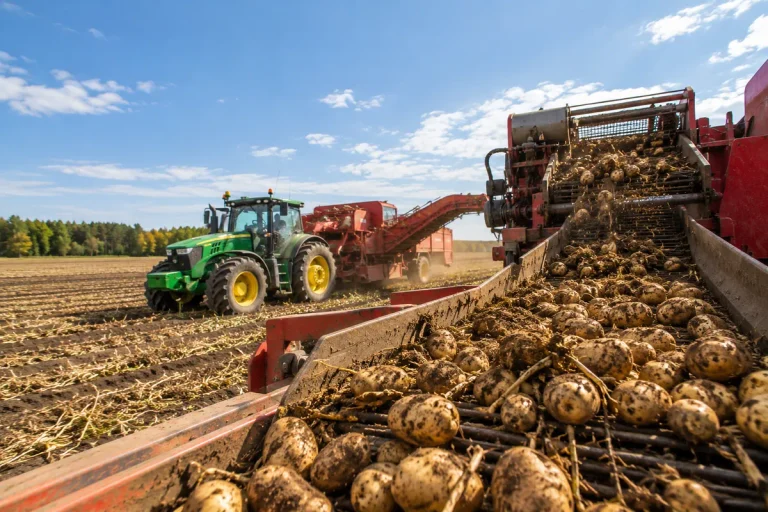
Fresh potatoes can generate strong returns when supply is low and retail demand is firm. Growers may sell through wholesale markets, supermarkets, restaurants, exporters, or local distributors.
A fresh potato crop does not need to meet factory standards for frying or chipping. Instead, buyers focus heavily on clean skin, attractive shape, uniform size and low damage.
That can work well for farms growing red, yellow, white, or premium table potato varieties. The USDA notes that red, blue and yellow potatoes are mainly grown for the fresh market, while white potatoes can serve both fresh and chip processing uses.
But fresh-market pricing can be rough.
A grower may receive a good rate during a supply shortage, then see prices fall after a large harvest enters the market. In Europe, potato market reports showed processing potato prices falling sharply when early-season supplies entered the market in 2024.
You might also like
-
 KFC Asks Fans to Decide Future of Potato Wedges
 -
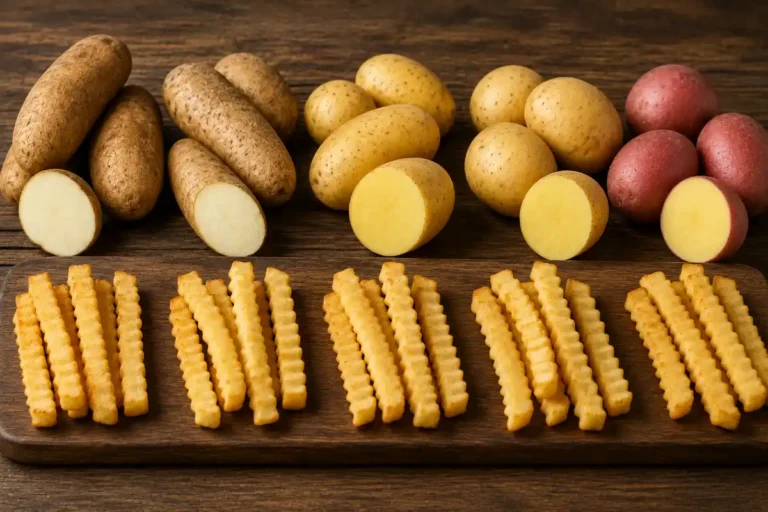 Best Potato Varieties for Crinkle Cut French Fries in the USA
 -
 Potato Peelings Could Replace Coal: Scientists Develop Eco-Friendly Biofuel
 -
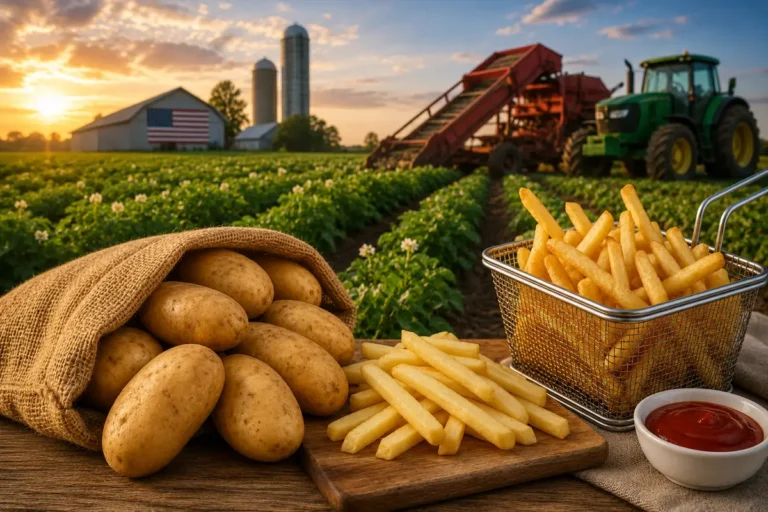 Best Potatoes for French Fries in the USA: A Complete Guide
 -
 Study Shows Global Potato Processing Industry Faces Tech and Eco Test
 -
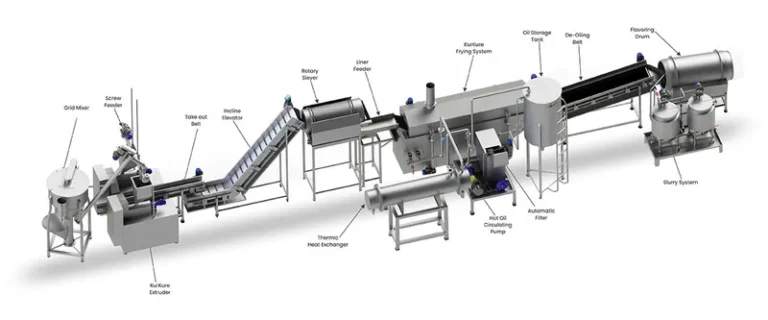 Innovation in Potato Processing: Turnkey Solutions from Fry and Bake
Fresh potatoes can face the same type of pressure.
Fresh Potato Profit Depends on Timing
Timing matters a lot in the fresh potato business. A grower who stores potatoes safely and sells later may receive a better price than someone forced to sell at harvest.
However, storage adds cost. Electricity, ventilation, handling, sprout control, packing, labour and quality losses all reduce the final margin.
Here is a practical example.
A farmer harvests table potatoes during a period of heavy supply. The current market price is low, so the farmer stores the crop for two months. If prices rise later and the potatoes remain in good condition, profits may improve. But if quality falls during storage, the farmer may lose both volume and value.
That is the gamble.
Why Processing Potatoes Offer More Stable Income
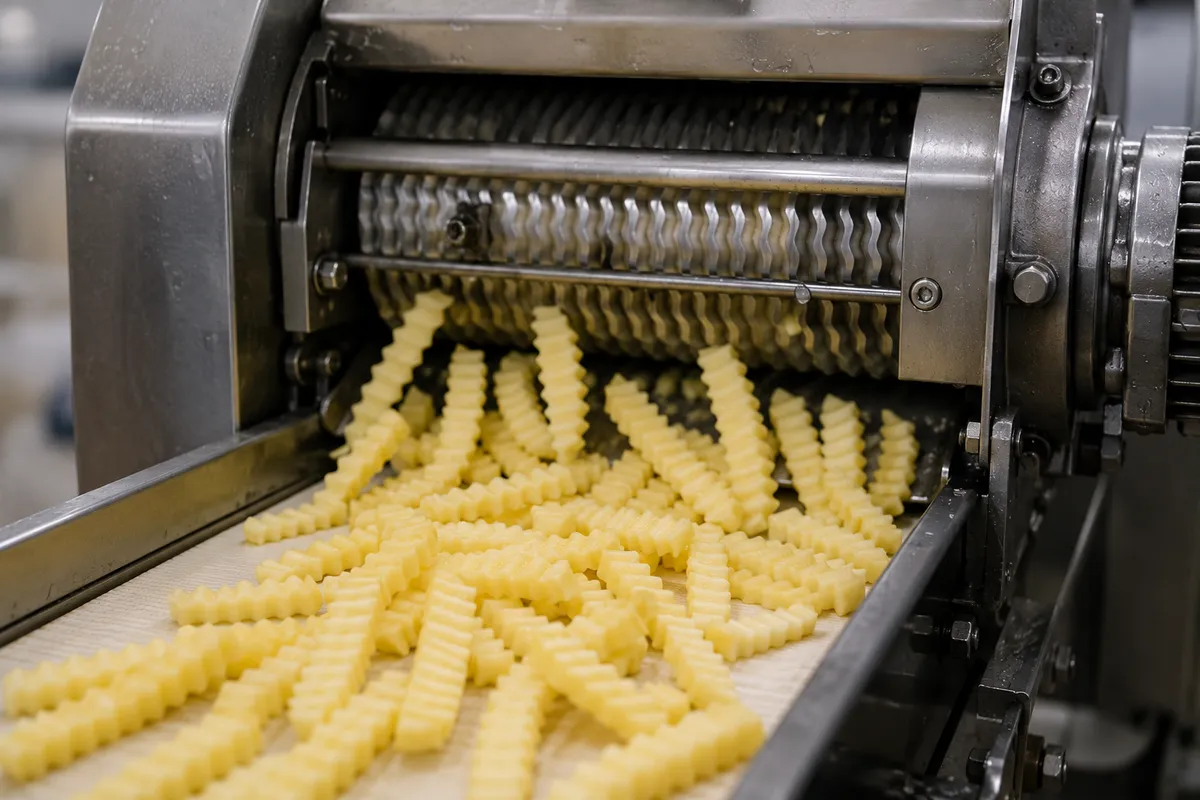
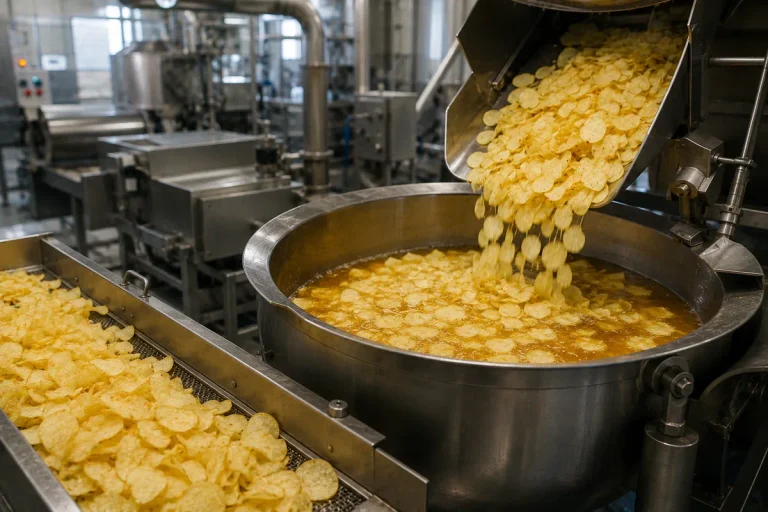
Processing potatoes are used for French fries, chips, flakes, dehydrated potato products and other food products. Many growers work under contracts with processors.
A contract may define the variety, delivery period, quality standards, price basis and accepted size range. This gives growers a clearer idea of expected revenue before planting.
USDA data shows that processed potato products now account for a major part of potato use in the United States. Frozen potato products alone represented about 50 percent of per-capita potato availability during 2022 to 2024.
That matters because French fries and other processed products create steady demand for suitable processing varieties.
Also read: Why the Netherlands Leads the Global Potato Industry
Contracts Can Reduce Price Risk
A processing contract does not guarantee a huge profit. But it can reduce uncertainty.
For example, a French fry processor may contract growers to produce a certain variety with a required dry matter level and tuber size. The grower knows where the crop will go after harvest, provided it meets the agreed standards.
So what happens if the open market rises above the contract price?
The grower may miss out on the higher spot-market opportunity. This is the trade-off. Processing contracts provide safety, but they can limit the upside during a high-price year.
This shows why market conditions can change fast, even for processing grades.
Which Potato Type Has Better Profit Margins?
There is no universal winner.
Fresh potatoes may offer better margins when growers have strong local buyers, export opportunities, good grading facilities and the ability to store crops until market conditions improve.
Processing potatoes may offer better margins when a farm has access to a nearby processor, reliable contracts, suitable varieties, irrigation and good quality control.
A farm located far from a French fry or chip factory may struggle with transport costs. A farm near a processing plant may have a clear advantage.
Processing contracts also require growers to meet strict standards. A crop with poor dry matter, high sugars, wrong size, disease damage, or poor frying colour may be rejected or paid at a lower rate.
That is why profitability is not only about selling price.
It is about accepted yield.
Key Data on Potato Processing Demand
| Data Point | What It Means for Growers |
|---|---|
| 56 percent of U.S. potato harvested area was intended for processing in 2022 | Processing remains a major market for potato growers |
| About 600,169 U.S. potato acres were harvested for processing in 2022 | Large processor demand supports specialised production |
| Frozen potatoes accounted for around 50 percent of U.S. potato availability during 2022 to 2024 | French fries and other frozen products remain important |
| Fresh potato availability averaged 28 pounds per person in the U.S. during 2022 to 2024 | Fresh consumption has fallen compared with earlier decades |
USDA also reports that fresh potato availability in the United States fell from an average of 46 pounds per person in 2002 to 2004 to around 28 pounds during 2022 to 2024.
For growers, this does not mean fresh potatoes are unprofitable. It means fresh-market producers need to focus more on quality, retail demand, premium varieties, packaging and strong buyer relationships.
Also read: Potato Consumption Per Capita by Country 2026
Costs That Decide Your Actual Profit
The selling price is only one part of the calculation. Your actual profit depends on total production cost.
Consider these factors before choosing fresh or processing potatoes.
- Seed potato cost
- Fertiliser and crop protection cost
- Irrigation requirement
- Labour and harvesting cost
- Storage cost
- Sorting and grading losses
- Transport distance
- Contract terms
- Rejected crop percentage
- Market price risk
In the Netherlands, the Dutch Agricultural Union reported that potato production costs rose due to factors such as labour, land, crop protection, electricity, fuel and climate-related yield pressure.
This is a useful reminder for growers everywhere. A high selling price is not enough if production costs keep rising.
When Fresh Potatoes Are the Better Choice
Fresh potatoes may be the better option when you have access to wholesale markets, retail buyers, hotels, restaurants, exporters, or local distribution networks.
They may also work well for growers selling premium varieties, washed and packed potatoes, baby potatoes, red potatoes, yellow potatoes, or specialty potato packs.
Fresh potatoes are especially attractive when market demand is strong and supply is limited.
But you need to be ready for price changes.
When Processing Potatoes Are the Better Choice
Processing potatoes may be the better option when you have a dependable processor nearby and can secure a fair contract before planting.
They are also suitable for farms that can consistently produce the required variety, tuber size, dry matter level and frying quality.
For many commercial farms, processing potatoes offer a more predictable business model. The price may not always be the highest, but the sales channel is clearer.
That can make planning easier.
Also read: Top Potato Exporting Countries Ranked by Value
Final Verdict
Processing potatoes are usually more profitable for growers who want stable income, planned deliveries and lower market risk. Fresh potatoes can be more profitable during high-price periods, especially for growers with strong buyer networks and storage facilities.
The best choice depends on your farm.
Grow fresh potatoes if you can access strong markets, manage grading and packing and handle price swings. Choose processing potatoes if you have a reliable contract, suitable varieties and a nearby processor.
A smart option for larger growers is to split production between fresh and processing potatoes. This can reduce risk while keeping some opportunity for higher fresh-market returns.
Frequently Asked Questions (FAQs)
-
Are processing potatoes more profitable than fresh potatoes?
Processing potatoes are often more predictable because contracts can reduce price risk. Fresh potatoes may bring higher returns when market prices rise.
-
Which potato varieties are used for processing?
Processing varieties depend on the product. Russet varieties are often used for French fries, while white potatoes can be used for chips and fresh markets.
-
Can fresh potatoes be sold to processors?
Some fresh potatoes may be accepted by processors if they meet required quality standards. However, processors usually need specific varieties, size ranges and dry matter levels.
-
Do potato processing contracts guarantee profit?
No contract can guarantee profit. Contracts can reduce selling-price risk, but growers still need to manage production costs, quality, yield and rejected loads.
-
Should small farmers grow fresh or processing potatoes?
Small farmers with access to local markets may find fresh potatoes easier to sell. Processing potatoes can work well when a processor accepts smaller growers under contract.
Image credit: Potato Insights
Sources:
- From fresh to frozen. Potato per capita availability changes over time. USDA Economic Research Service
Recent Articles

"Get the latest potato industry updates in Google Search. Add Potato Insights as a preferred source for potato markets, processing, trade and industry news."