Oregon Potato Industry 2026: Production, Processing, Varieties and Market
Explore Oregon's potato industry in 2026, including production, acreage, processing, varieties, growing regions, market data and industry trends.
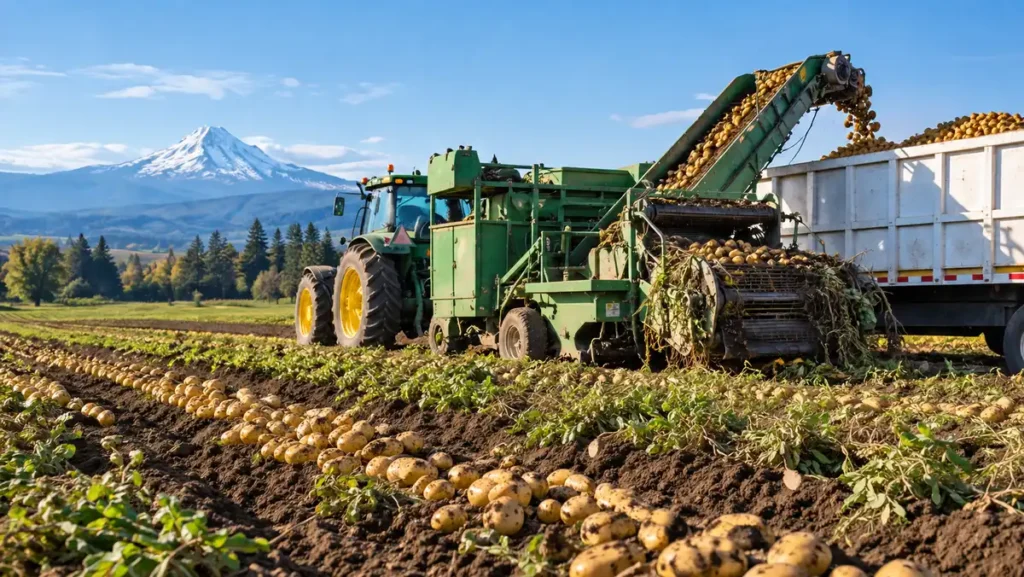
Oregon remains an important potato-producing state in the U.S. In the latest full USDA data, Oregon harvested 41,000 acres of potatoes in 2025 and produced 26.035 million cwt, with a reported production value of $299.4 million.
For 2026, USDA currently reports 41,000 planted and harvested acres, while production, yield, price and value figures are not yet available in the current state overview.
For growers, processors, equipment suppliers, traders and other businesses, Oregon’s potato industry matters because the state supplies both fresh-market and processing potatoes. Its production is also closely linked with the wider Pacific Northwest potato sector.
Oregon potato production in 2026
The latest USDA figures show that Oregon planted and harvested 41,000 acres of potatoes in 2026. The current USDA 2026 overview does not yet provide a statewide yield or production estimate, so the 2025 figures remain the latest complete production data available.
In 2025, Oregon recorded:
| Measure | Oregon potato industry |
|---|---|
| Planted acres | 41,000 acres |
| Harvested acres | 41,000 acres |
| Yield | 635 cwt/acre |
| Production | 26.035 million cwt |
| Average price | $11.50/cwt |
| Production value | $299.4 million |
The 2025 crop was produced from the same 41,000 harvested acres reported for 2026 so far. However, acreage alone does not show the final size or value of the 2026 crop. Weather, yield, quality, storage conditions and market prices will determine the final result.
USDA data also show that Oregon harvested 42,900 acres and produced 26.169 million cwt in 2024. That provides useful recent context when looking at changes in production from year to year.
Where are potatoes grown in Oregon?
Potato production is spread across several agricultural areas of Oregon, with eastern and southern parts of the state playing an important role.
The Klamath Basin is particularly associated with russet potato production and has a long history of potato research and commercial growing. Oregon State University research notes the importance of Russet Burbank in the Klamath Basin and throughout the Pacific Northwest.
Eastern Oregon also has important potato-growing areas. Oregon’s potato production is part of a larger regional supply network that includes Idaho and Washington.
You might also like
-
 Chemical Withdrawals Hit UK Potato Growers
 -
 Canada’s Potato Output Dips Slightly in 2025 After Dry Season
 -
 Air-Grown Potatoes Show New Promise in Indore
 -
 Scientists in Punjab, Pakistan, Developed Smog-Tolerant Potatoes
 -
 Dhanuka Agritech Warns Potato Farmers About Early and Late Blight
 -
 Potato Farming Falls in Bogura, Bangladesh as Losses Grow
Growing conditions vary across Oregon, so variety selection is closely connected to location, growing season, soil conditions, disease pressure, intended market and storage needs.
Which potato varieties are grown in Oregon?
Russet potatoes are central to Oregon’s potato sector, particularly for fresh-market and processing uses.
Oregon State University identifies several important russet and processing varieties. These include Russet Burbank, Ranger Russet, Umatilla Russet, Russet Norkotah, Alturas, Bannock Russet and other varieties developed through regional breeding programs.
Variety choice depends on the final market. Processing potatoes generally need characteristics such as suitable starch levels, dry matter and low reducing sugars. These factors affect fry color, texture, oil absorption and processing performance.
Fresh-market potatoes have different requirements. Appearance, shape, skin quality, size, storage lifeand freedom from defects can strongly affect their market value.
Oregon State University’s 2025 potato seed certification standards list a large number of varieties eligible for certification in Oregon, showing how broad the state’s available variety base is.
Also read: Idaho Potato Industry: Production, Varieties & Market Outlook
Oregon potato processing industry
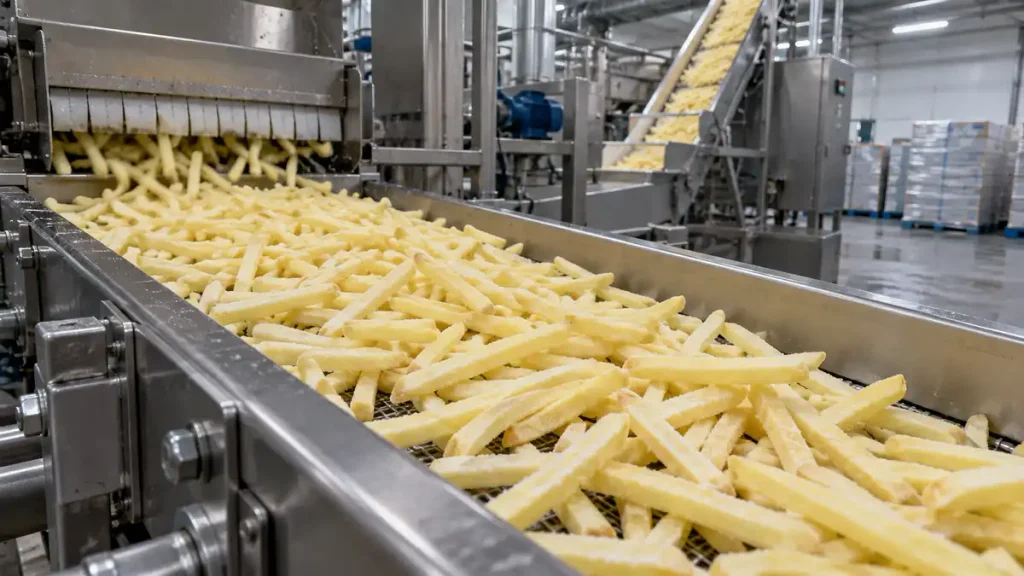
Processing is an important part of the Oregon potato supply chain. Potatoes can be used for products such as frozen french fries, potato chips, dehydrated products and other processed foods.
The variety used by a processor matters because potatoes are not interchangeable for every product. For example, french fry production generally favors potatoes with suitable dry matter and processing characteristics. Chip production has its own requirements related to sugar levels, solids, frying color and texture.
This creates a direct connection between growers and processors. Processing companies may specify varieties or quality requirements in grower contracts, while growers select varieties based on the market they intend to serve.
For equipment suppliers, this processing chain also creates demand for grading, washing, sorting, conveying, cutting, frying, drying, packaging and material-handling systems.
Fresh-market potatoes vs processing potatoes
Oregon potatoes serve more than one market.
Fresh-market potatoes are sold for household and foodservice use. Appearance, size, skin quality, shape, storage performance and consistency are important factors.
Processing potatoes are sent to facilities where they become products such as fries, chips or other potato foods. Processors pay close attention to internal quality because starch, dry matter and sugar levels can affect the finished product.
The same variety can sometimes serve both markets, but the production and quality requirements can differ.
Also read: Wisconsin Potato Industry: Production, Processing & Market Outlook
What is shaping Oregon’s potato market in 2026?
The 2026 Oregon potato market is being shaped by several factors.
Crop size and yield will determine how much product enters the market. The current USDA 2026 state overview provides acreage but not yet final production figures.
Processing demand remains important because processing varieties have specific quality requirements. Changes in demand for frozen fries, chips and other potato products can affect purchasing needs.
Storage quality also matters. Potatoes can remain in storage after harvest, making storage performance an important factor for growers and buyers.
Variety development is another long-term factor. Oregon State University and the regional Tri-State Potato Research and Breeding Program continue to work on varieties with traits related to yield, disease tolerance, processing quality, storage and fresh-market performance.
For businesses working with Oregon potatoes, watching acreage alone is not enough. Production volume, quality, variety mix, processing demand, storage stocks and prices all help explain the market.
Oregon potato industry data at a glance
- 2026 planted acreage: 41,000 acres
- 2026 harvested acreage reported so far: 41,000 acres
- 2025 production: 26.035 million cwt
- 2025 yield: 635 cwt per acre
- 2025 production value: $299.4 million
- 2024 production: 26.169 million cwt
- Key variety group: Russets
- Main markets: Fresh market and processing
- Major research focus: Yield, quality, disease tolerance, storage and processing traits
Conclusion
Oregon’s potato industry enters 2026 with 41,000 acres planted and harvested according to the latest USDA state overview. The most recent complete production data, from 2025, show 26.035 million cwt of potatoes with a production value of $299.4 million.
The state’s potato sector serves both fresh and processing markets, with russet varieties playing an important role. For growers, processors, buyers and suppliers, the next important data points will be the final 2026 yield, production, price and value figures.
Also read: Washington Potato Industry Production, Processing and Exports
FAQs
-
How many potatoes does Oregon produce?
Oregon produced 26.035 million cwt of potatoes in 2025, according to USDA NASS.
-
How many acres of potatoes are grown in Oregon?
USDA reports 41,000 planted and harvested potato acres in Oregon for 2026 so far.
-
What potato varieties are common in Oregon?
Russet Burbank, Ranger Russet, Umatilla Russet, Russet Norkotah, Alturas, and other russet varieties are among those associated with Oregon production.
-
Are Oregon potatoes used for processing?
Yes. Oregon potatoes serve both fresh-market and processing uses, including products such as french fries and potato chips.
-
What is the value of Oregon potato production?
USDA reported a potato production value of $299.4 million for Oregon in 2025.
Image credit: Potato Insights
Sources and References:
- USDA/NASS 2026 State Agriculture Overview for Oregon — current 2026 acreage data.
- USDA/NASS 2025 State Agriculture Overview for Oregon — latest complete production, yield, price, and value data.
- USDA/NASS 2024 State Agriculture Overview for Oregon — 2024 production comparison.
- Oregon State University Potato Variety Selection — variety and processing-quality information.
- Oregon State University 2025 Potato Standards — varieties eligible for certification in Oregon.
- Oregon State University Potato Breeding Program — Oregon and Pacific Northwest potato breeding research.
Recent Articles
Follow us to receive updates🔔